Therapy Designed Around Real Life
Every child is different; therapy should be too.
At Apollo Beach Therapy Center, our specialty services allow us to address specific areas of development while staying focused on what matters most: helping children participate more successfully in everyday life.
From the pool to the playground, from handwriting to mealtime, our therapists use meaningful activities and real-world environments to help children build skills they can carry beyond the therapy session.
Occupational Therapy • Speech-Language Therapy • Bilingual Services Available
Aquatic Therapy
✳︎
Feeding Therapy
✳︎
Handwriting
✳︎
Milestones & Early Development
✳︎
Social Skills
Aquatic Therapy ✳︎ Feeding Therapy ✳︎ Handwriting ✳︎ Milestones & Early Development ✳︎ Social Skills
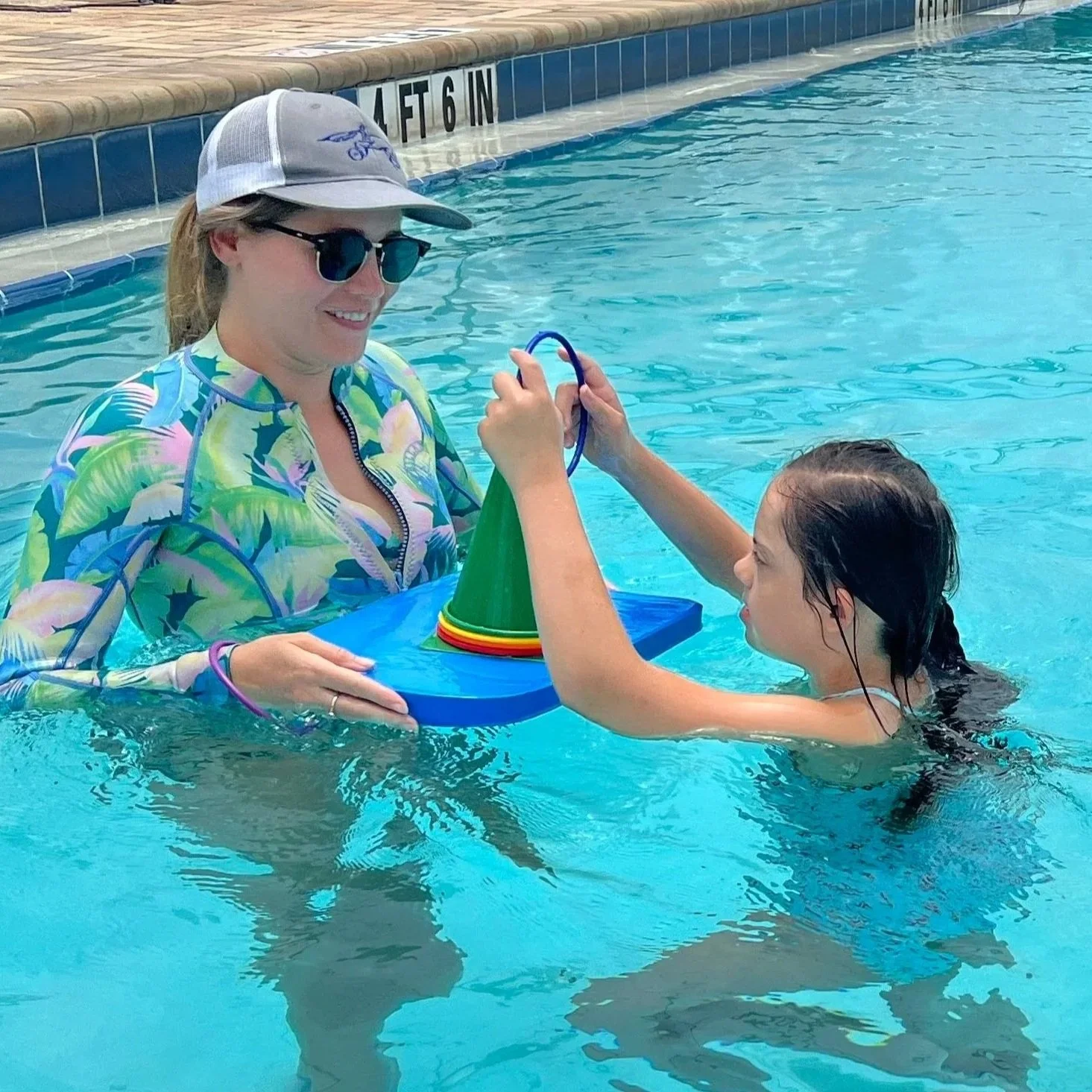
Aquatic Therapy
Take Therapy Beyond the Treatment Room.
The water provides a unique environment for working toward functional therapy goals through movement, resistance, sensory input, and play.
Our therapists may incorporate the pool into an individualized plan of care to address areas such as:
Strength and endurance
Balance and coordination
Motor planning
Bilateral coordination
Body awareness
Sensory processing and regulation
Confidence with movement
Functional participation
Aquatic therapy is provided by a licensed therapist and is incorporated when clinically appropriate for the child's individual goals.
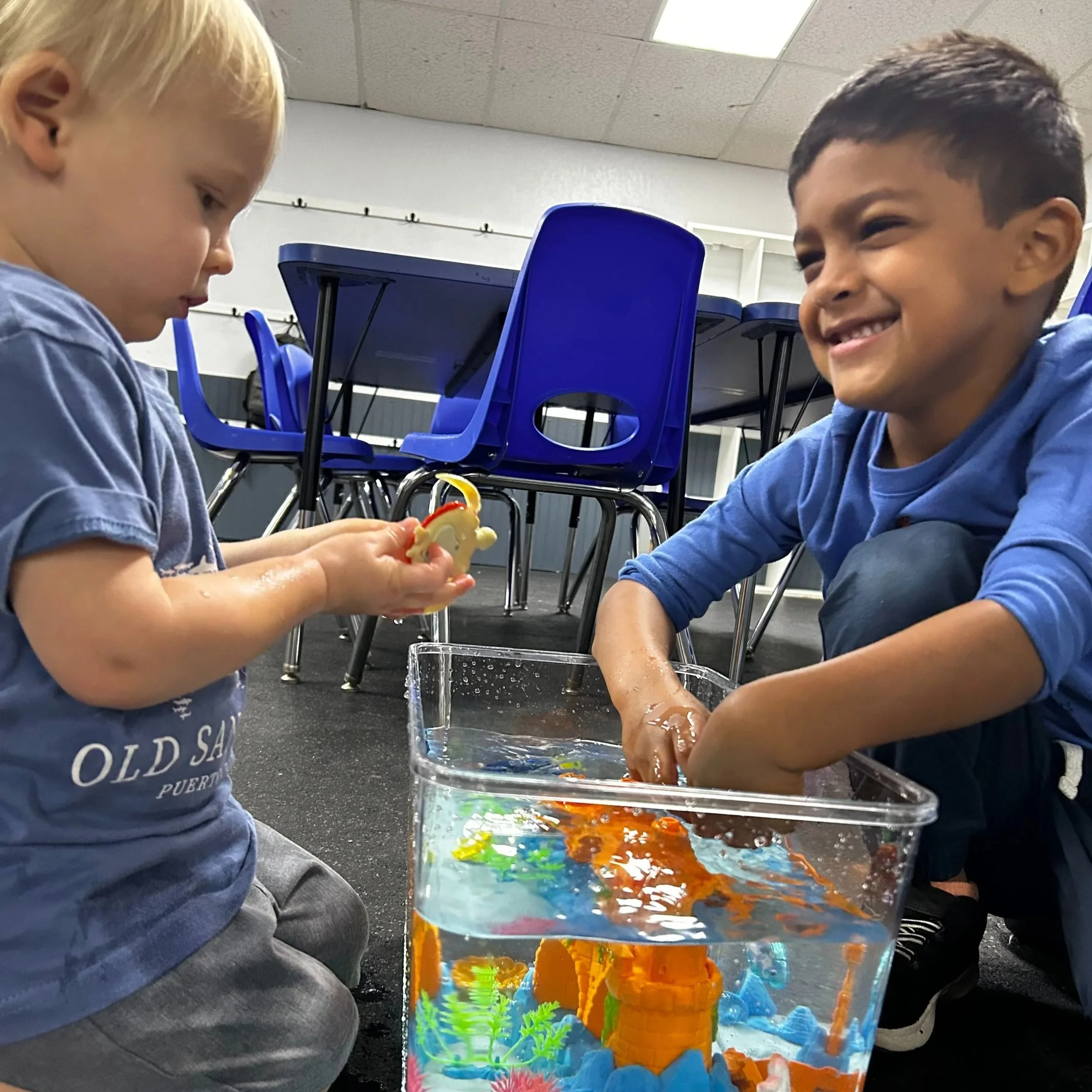
Social Participation
Building Skills Where Social Interaction Actually Happens.
Social skills aren't just something children practice while sitting across from a therapist.
They happen on playgrounds, during games, while working together, when plans change, and when children have to communicate what they need.
Depending on a child's needs and plan of care, therapy may address:
Reciprocal communication
Turn-taking
Joining and maintaining play
Flexible thinking
Emotional regulation
Problem solving
Understanding social cues
Self-advocacy
Handling winning and losing
Participating in group activities
Our campus provides opportunities to practice these skills through meaningful activities and natural interactions when appropriate.
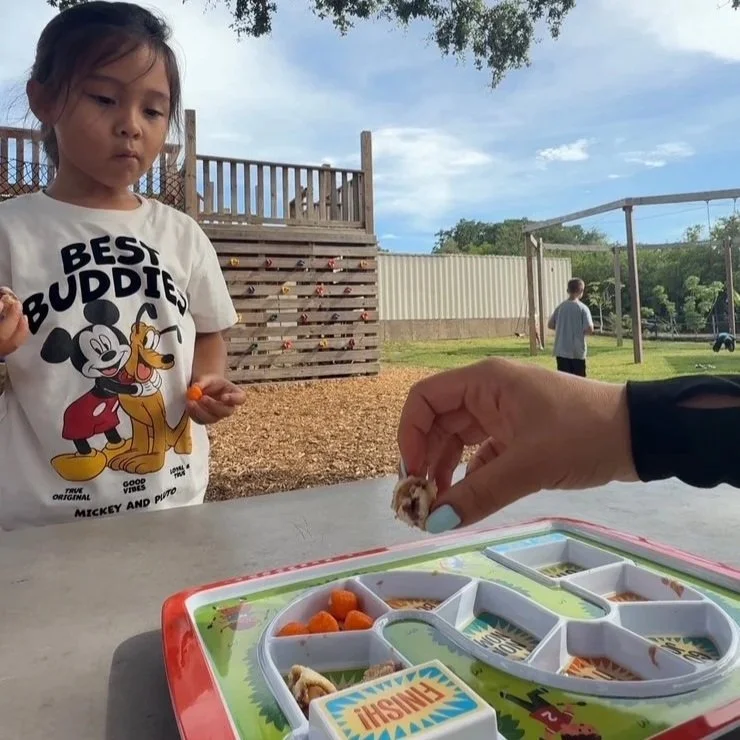
Feeding Therapy
Helping Mealtimes Feel More Manageable.
Eating is about much more than food.
Sensory preferences, oral-motor skills, communication, routines, positioning, and a child's previous experiences can all affect participation during meals.
Our therapists work with children and their families to support skills related to feeding and mealtime participation.
Depending on the child's individual needs, therapy may address:
Food exploration and acceptance
Sensory responses to foods
Oral-motor skills
Mealtime routines
Self-feeding skills
Utensil use
Drinking skills
Communication surrounding food and mealtime
Parent education and home carryover are an important part of the process.
Milestones & Early Development
Supporting Little Skills That Lead to Big Ones.
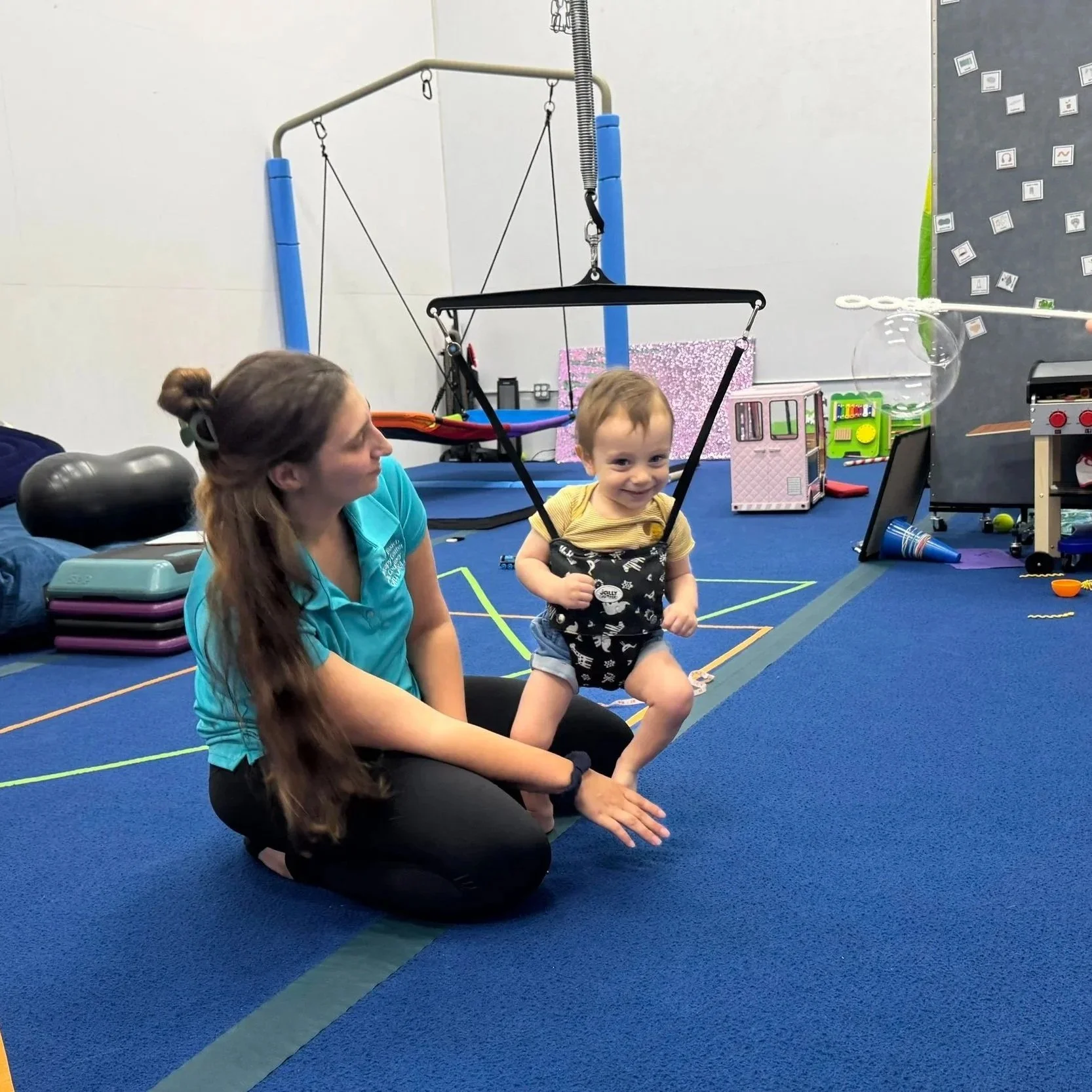
The first years of life are filled with rapid development.
Our early-development services support infants and young children who may need additional help developing the foundational skills used for play, movement, communication, feeding, and everyday routines.
Therapy may support areas including:
Fine-motor development
Gross-motor foundations
Early communication
Sensory exploration
Play skills
Feeding and self-feeding
Attention and engagement
Early independence
Parent education and developmental strategies
Parents and caregivers are active participants, so strategies used during therapy can become part of everyday routines at home.
Handwriting & School Skills
Building Skills for the Classroom and Beyond.
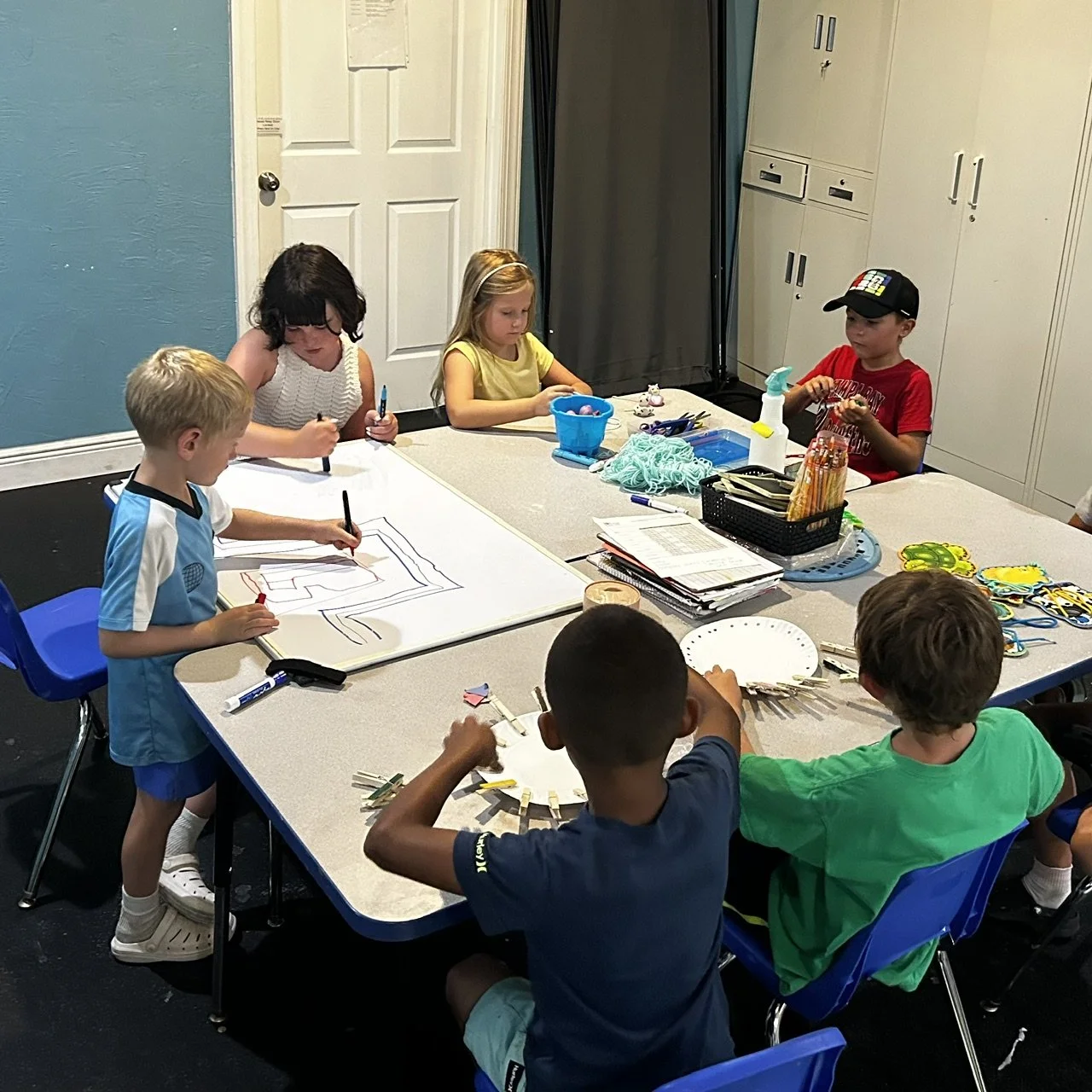
Handwriting difficulties aren't always about handwriting.
Fine-motor strength, visual-motor integration, motor planning, attention, postural control, pencil grasp, and coordination can all affect a child's ability to complete schoolwork efficiently.
Occupational therapy may address:
Letter and number formation
Legibility
Sizing and spacing
Pencil grasp
Fine-motor strength
Visual-motor integration
Scissor skills
Classroom tool use
Attention and organization
Functional school participation
We focus on the underlying skills affecting performance—not simply asking a child to write the same thing over and over.
Bilingual Therapy Services
Therapy Shouldn't Get Lost in Translation.
Communication with families matters.
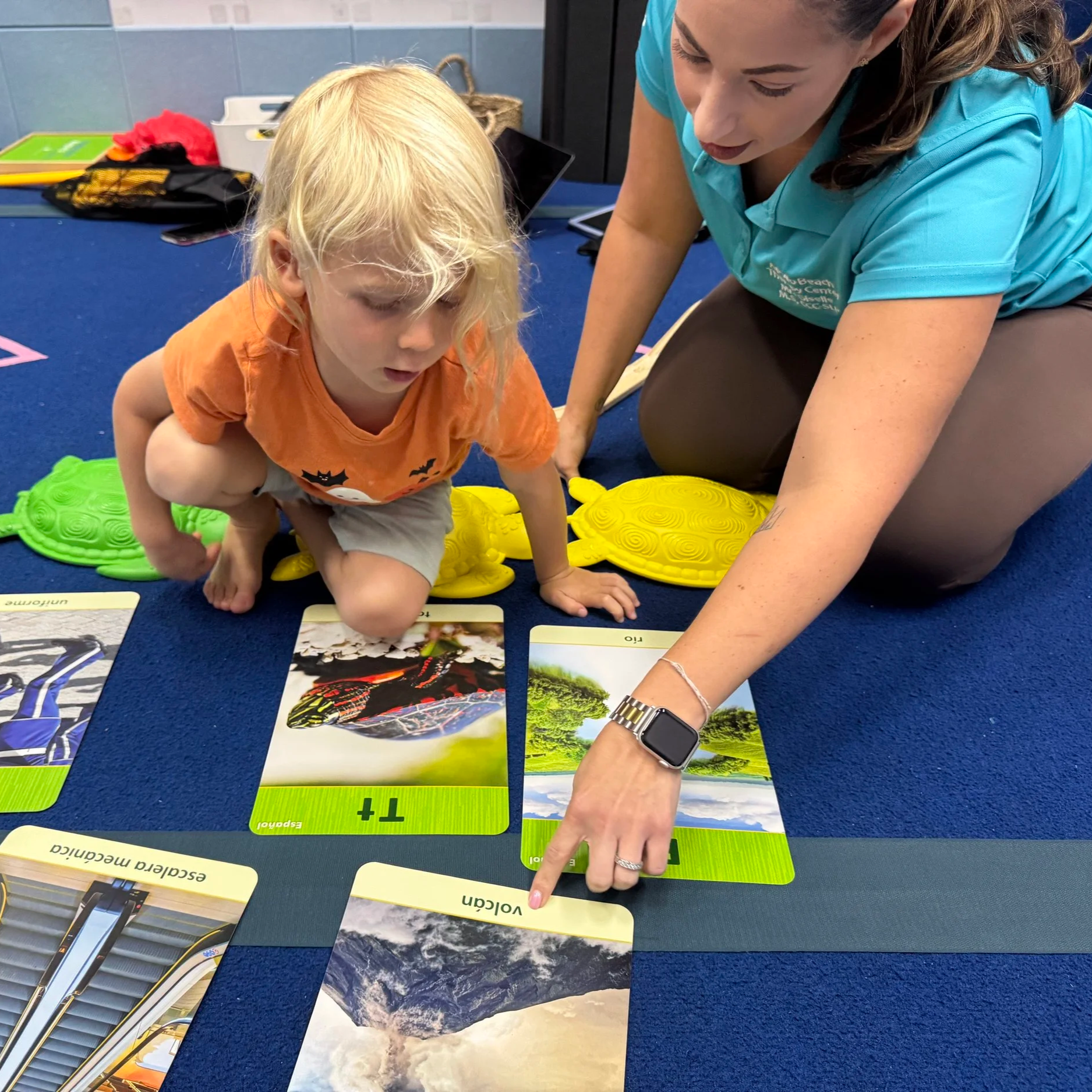
Apollo Beach Therapy Center has bilingual occupational therapy and speech-language therapy services available, allowing us to better support children and families who benefit from bilingual care.
Our goal is to make sure families understand what we're working on, why we're working on it, and how strategies can carry over into everyday life.
Therapy for Real Life.
Specialty services are only part of the picture.
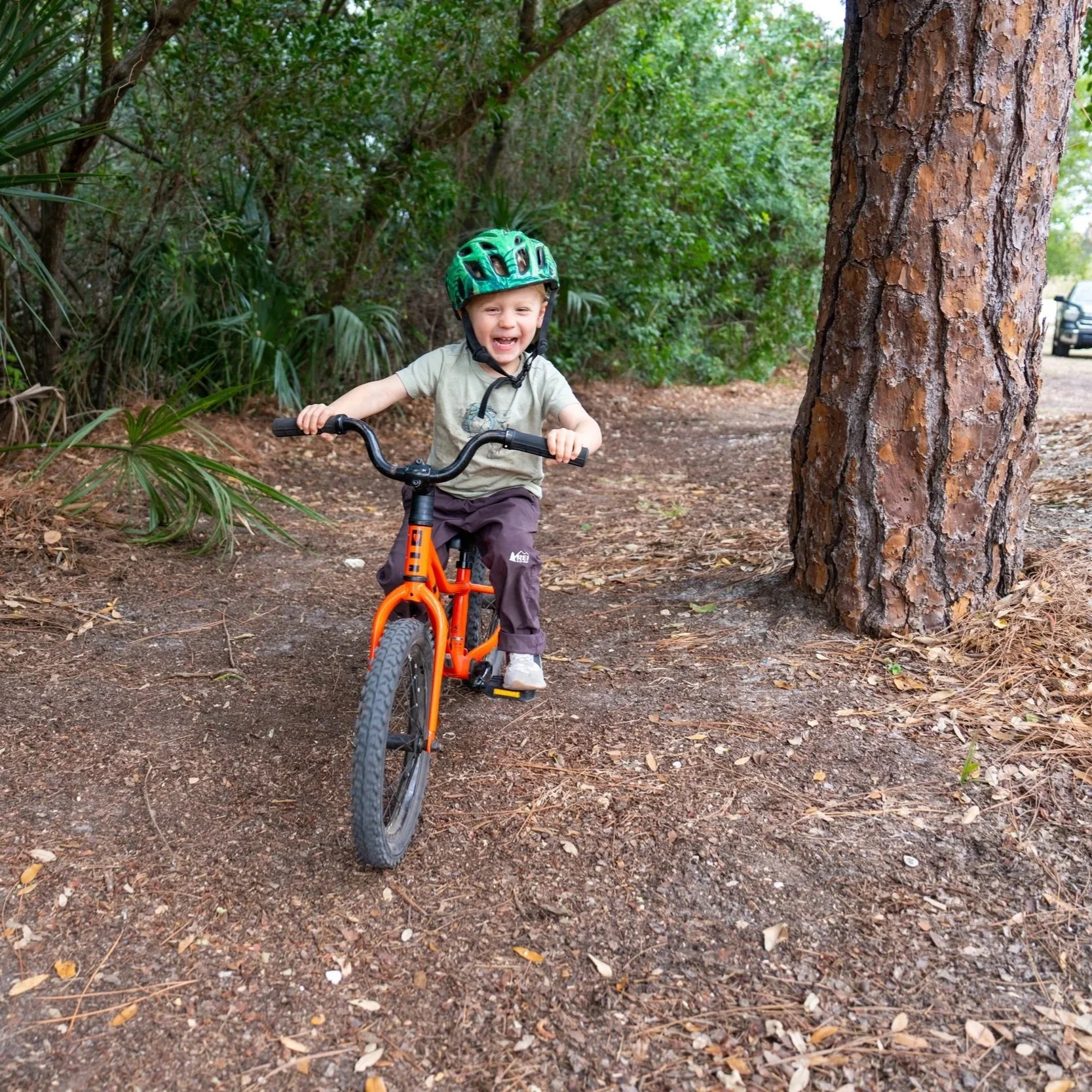
At Apollo Beach Therapy Center, therapy is individualized to your child's needs. Our therapists can use traditional treatment spaces along with our unique indoor, outdoor, and aquatic environments to create meaningful opportunities for children to develop and practice functional skills.
Because the goal isn't simply to perform a skill during therapy.