Pediatric Occupational Therapy in Apollo Beach, FL
Helping Children Build Skills for Everyday Life
Getting dressed. Writing their name. Sitting through class. Riding a bike. Playing with friends. Trying new foods. Managing big emotions.
For children, everyday activities require a complex combination of motor, sensory, visual, cognitive, and emotional skills.
At Apollo Beach Therapy Center, pediatric occupational therapy helps children build the skills they need to participate more successfully and independently at home, at school, during play, and in their community.
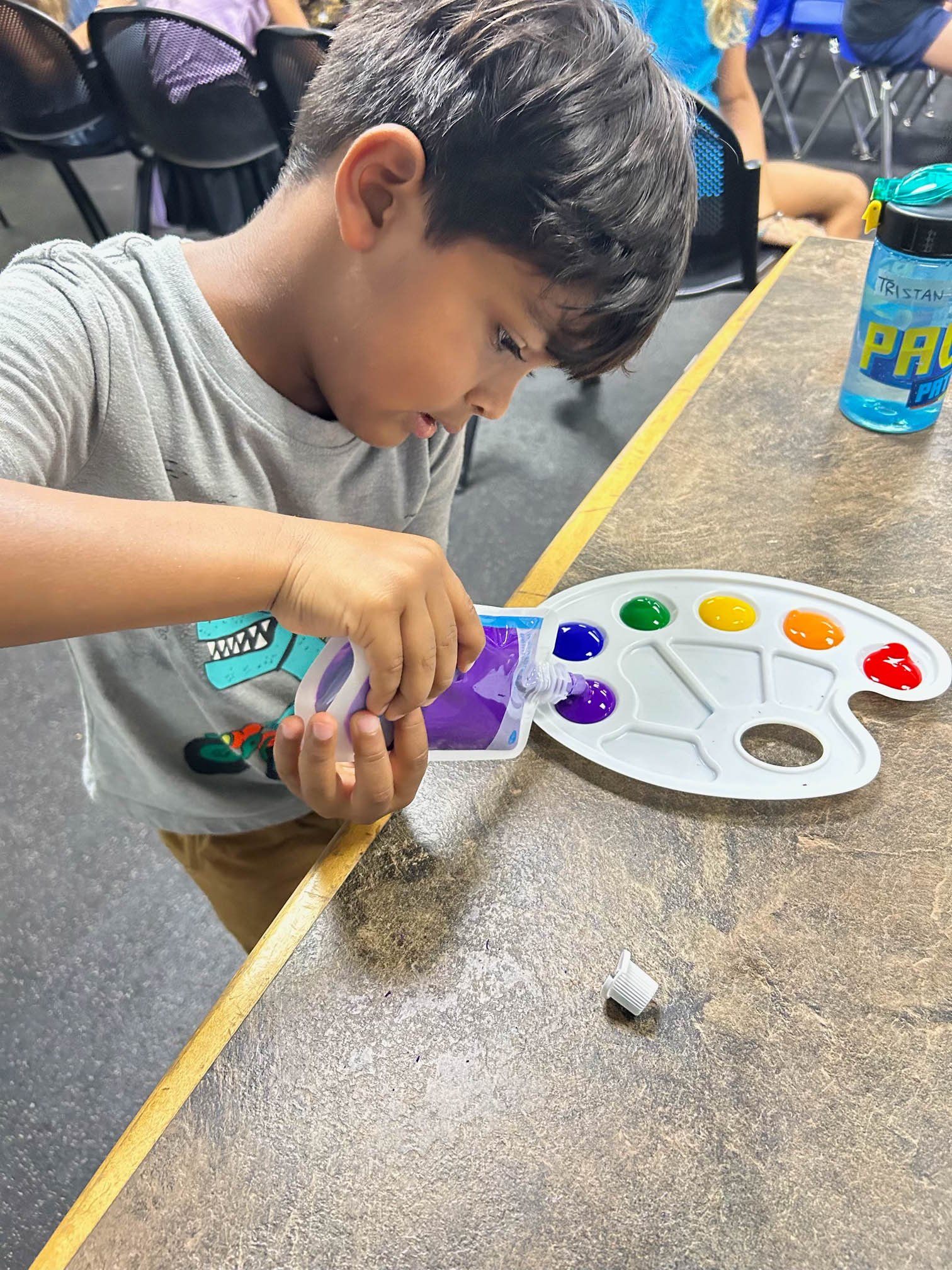
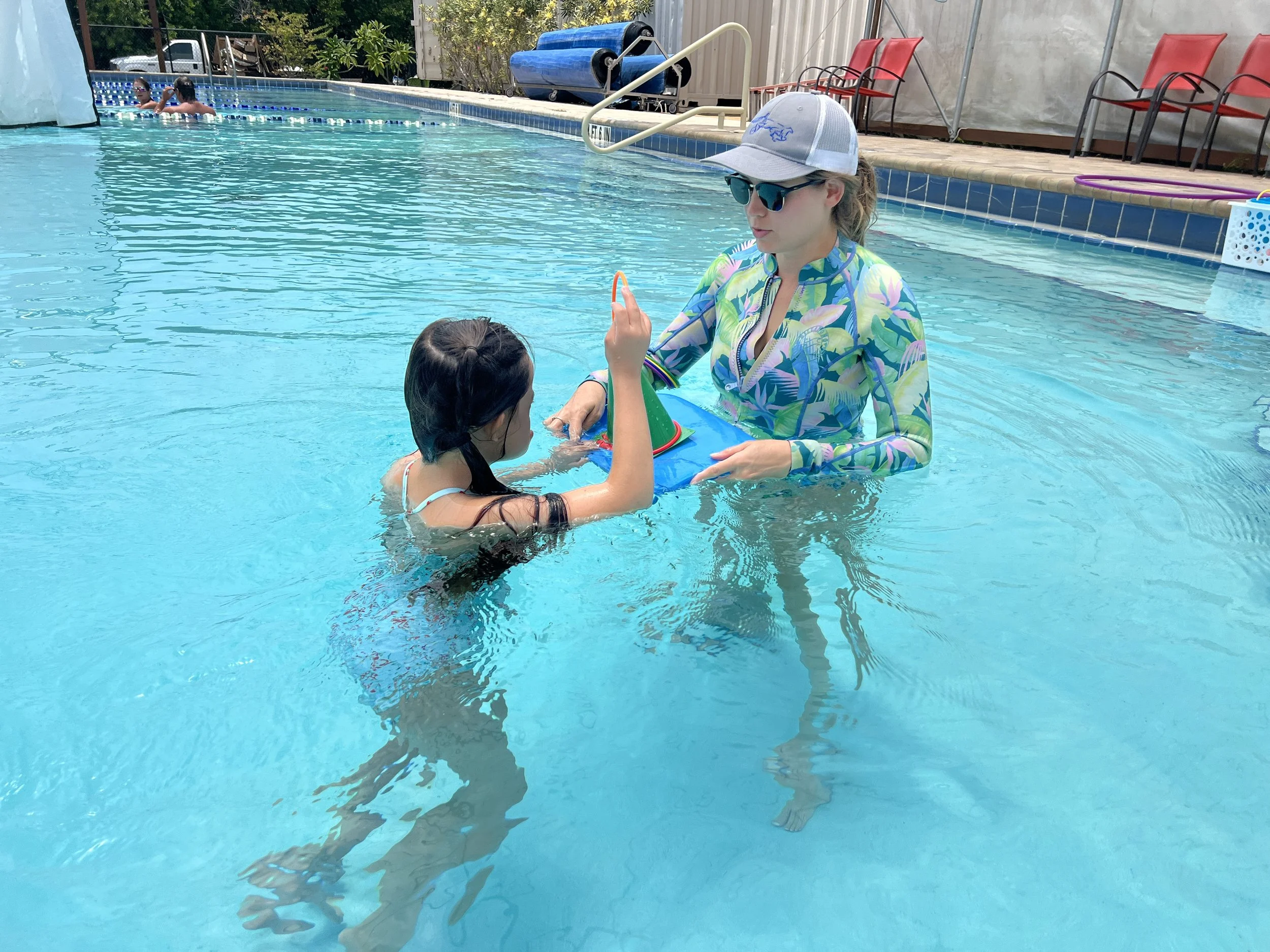
Our therapists aren't limited to a treatment room. Our unique Apollo Beach campus gives children opportunities to practice skills through movement, play, and real-life experiences in indoor, outdoor, and aquatic environments.
Bilingual Occupational Therapy Available
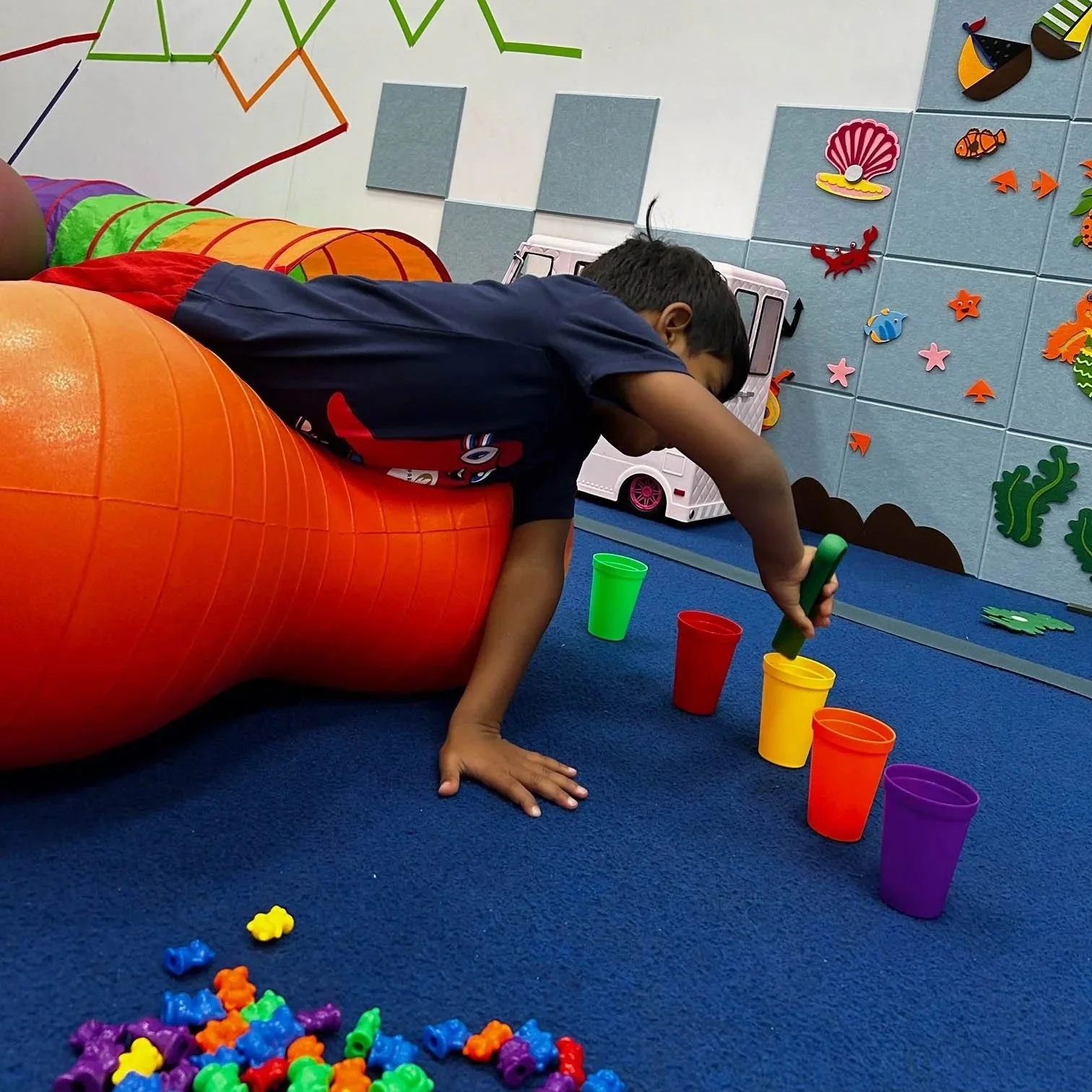
Could Occupational Therapy Help My Child?
Parents often know that something is difficult for their child long before they know whether occupational therapy may help.
You may notice that your child has difficulty with:
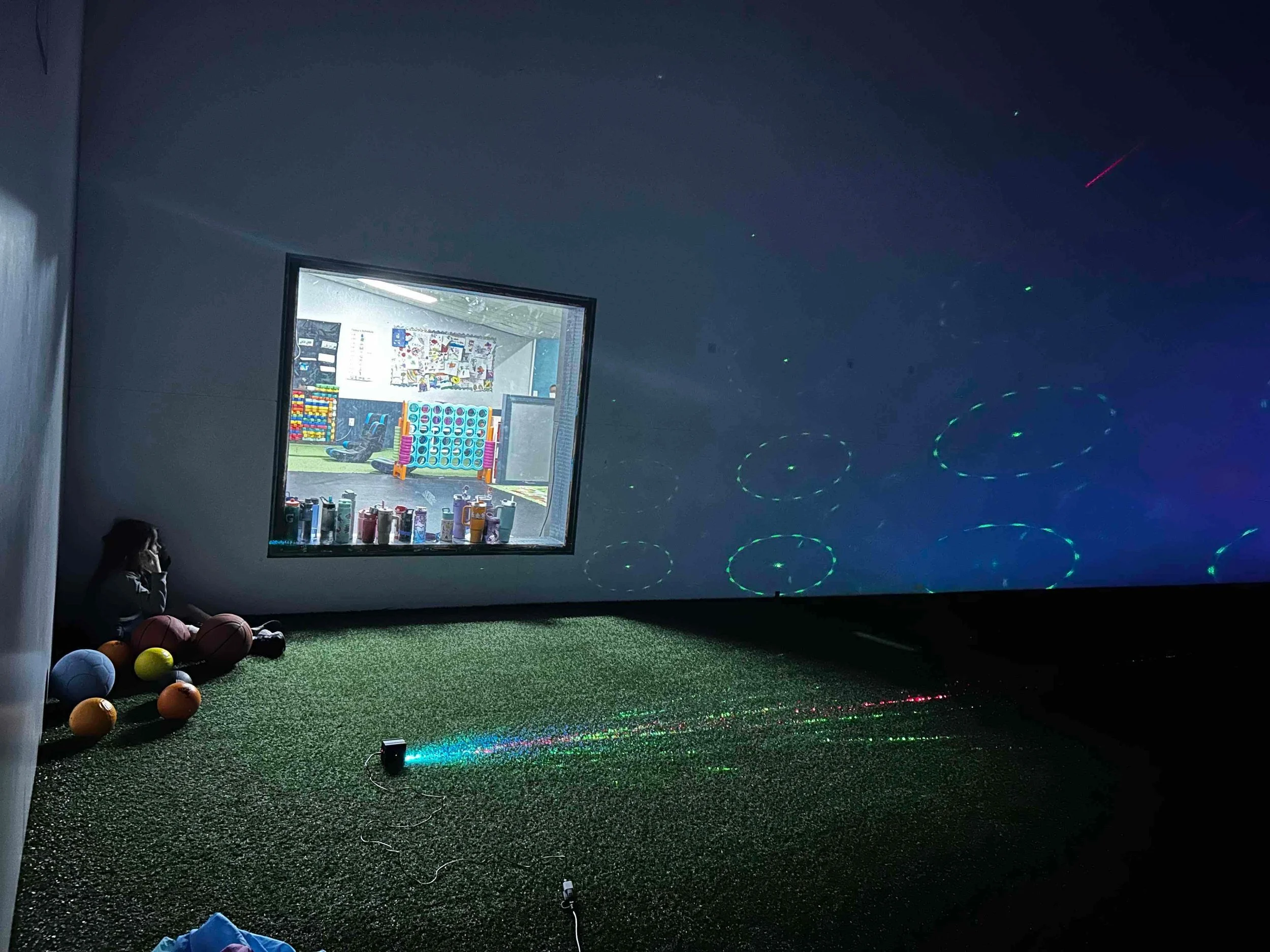
Sensory Processing & Regulation
Becoming easily overwhelmed by sounds, textures, movement, or busy environments
Constantly seeking movement, crashing, jumping, or spinning
Difficulty calming after becoming upset
Difficulty transitioning between activities
Avoiding certain clothing, grooming activities, foods, or textures
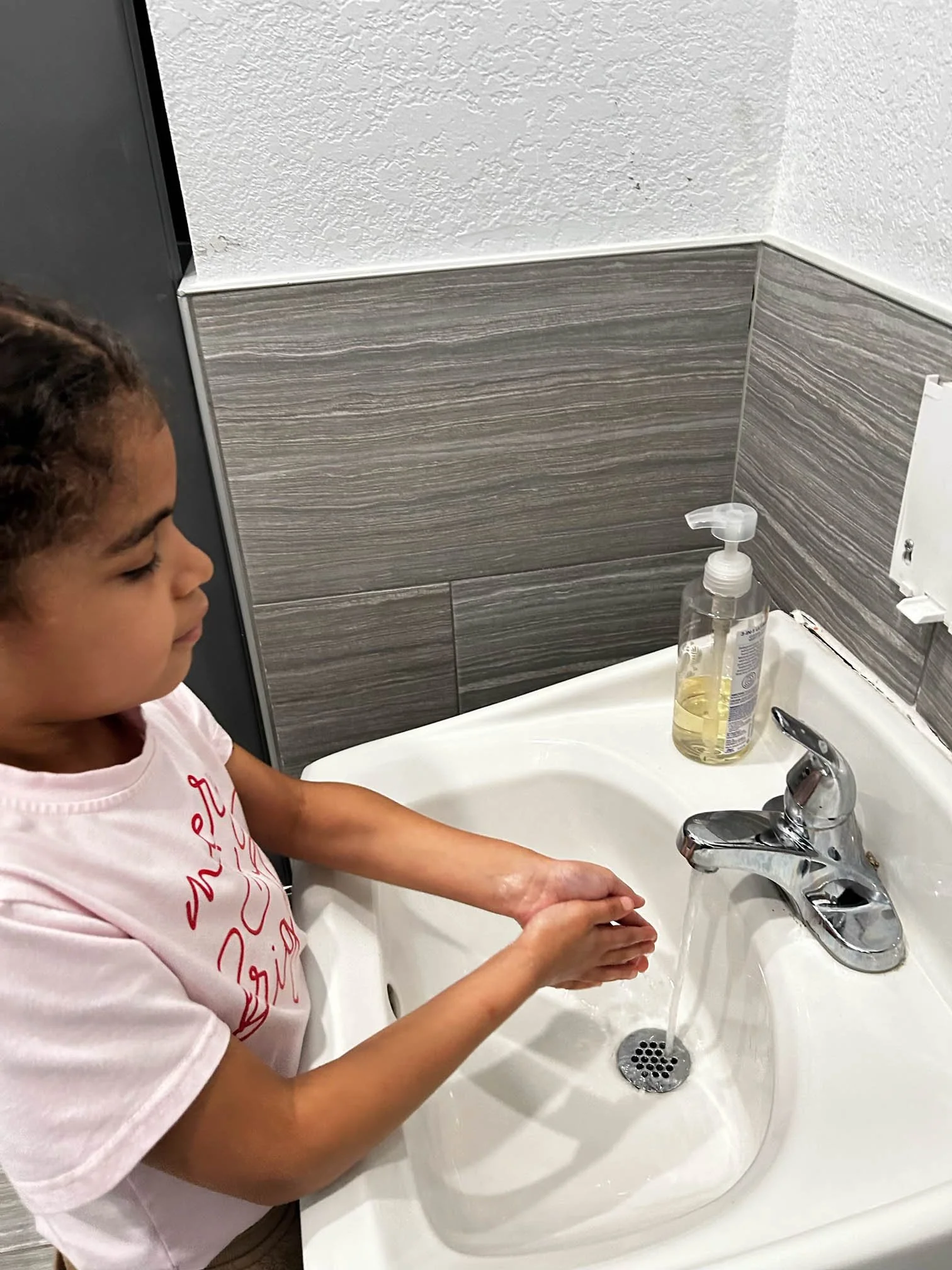
Everyday Independence
Dressing
Grooming
Toileting routines
Self-feeding
Using utensils
Opening containers
Completing age-appropriate daily routines
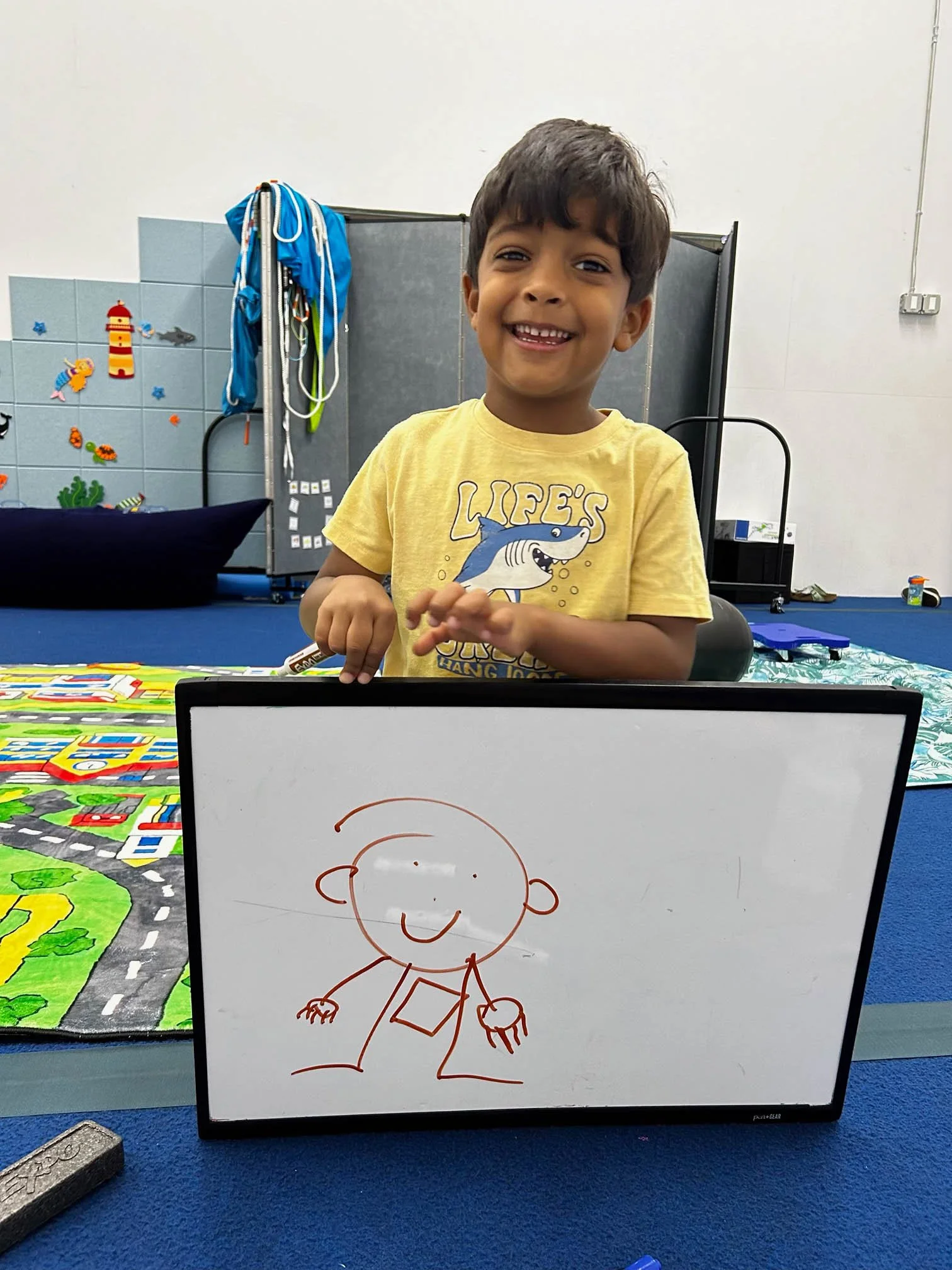
Fine Motor & Handwriting
Pencil grasp
Handwriting and letter formation
Cutting with scissors
Manipulating small objects
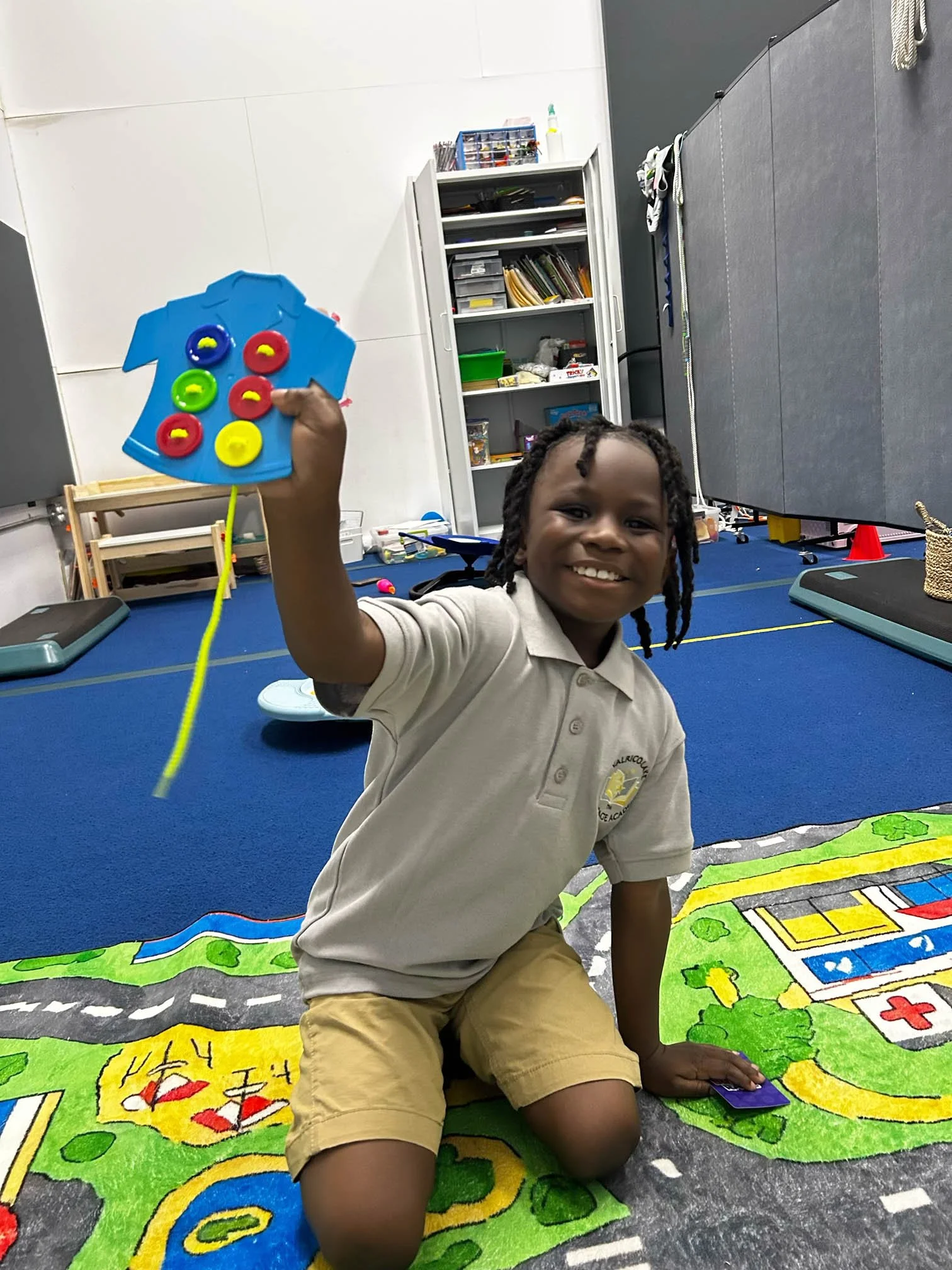
Buttons, zippers, or shoe tying
Hand strength and endurance
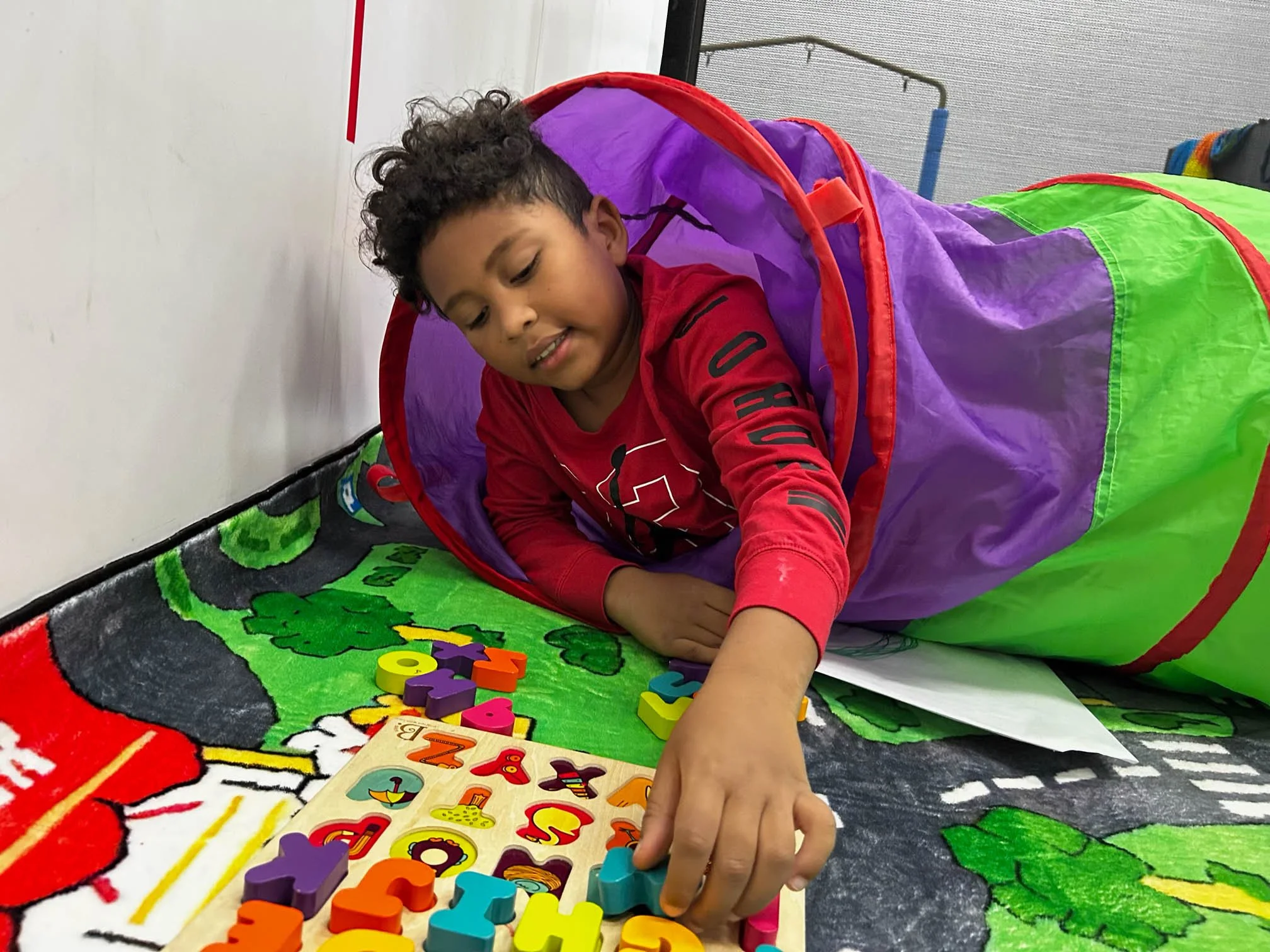
Attention & Executive Functioning
Starting or completing tasks
Following multi-step directions
Organization
Sustaining attention
Planning
Managing transitions
Completing school routines
You don't need to know which category your child's difficulty fits into. That's part of our job.
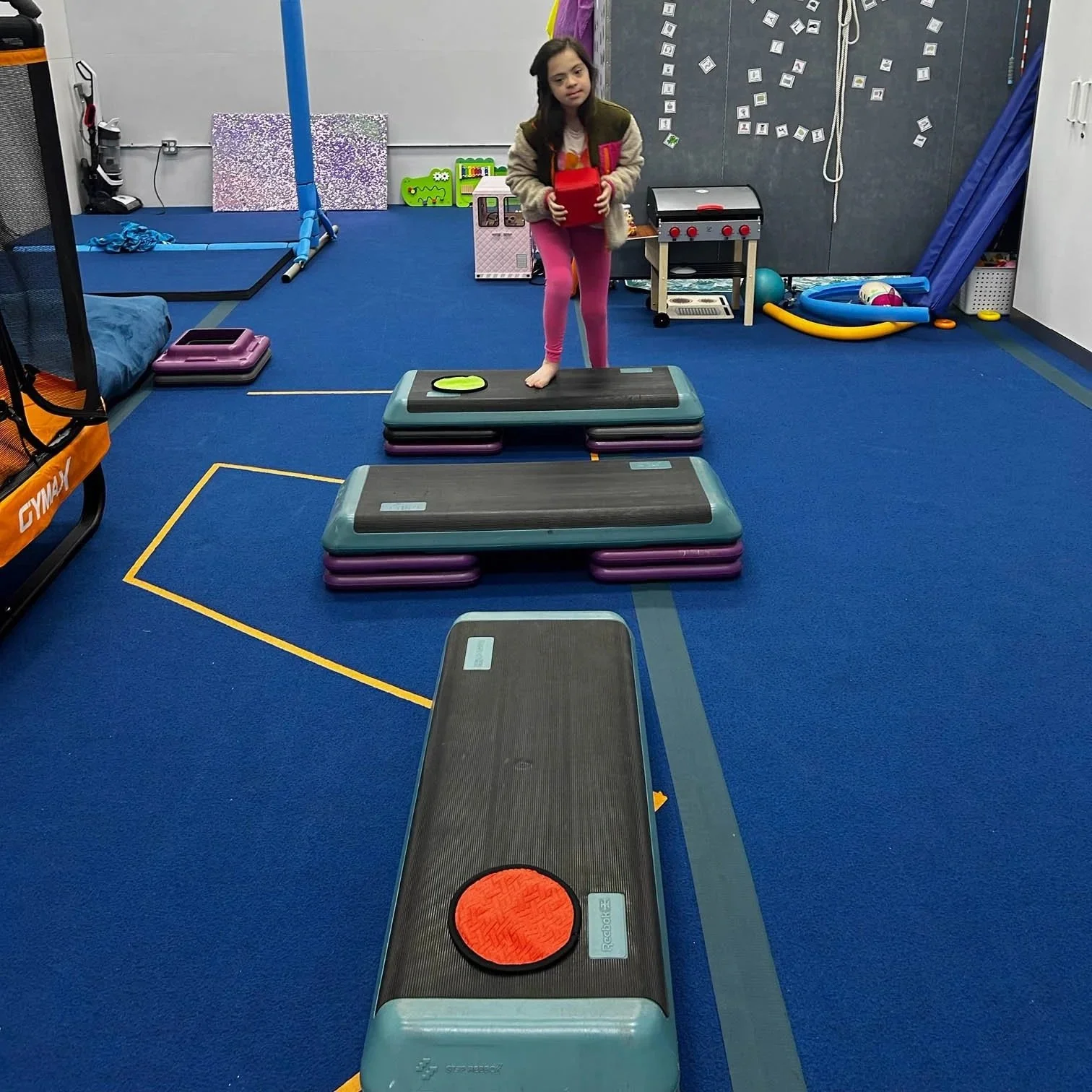
Gross Motor Skills & Coordination
Balance
Bilateral coordination
Motor planning
Body awareness
Catching or throwing
Navigating playground equipment
Learning to ride a bike
Coordinating multi-step movements
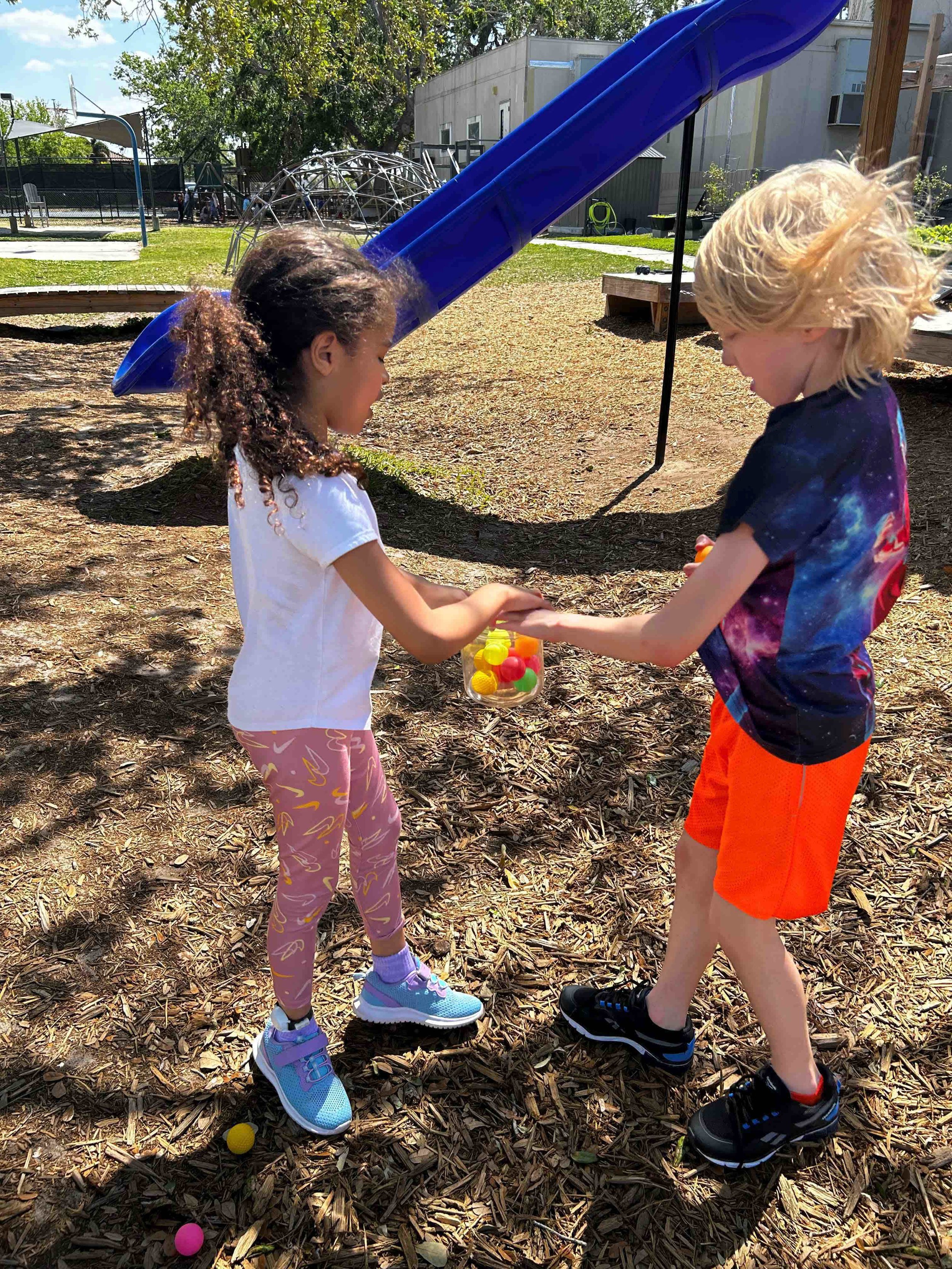
Social & Emotional Participation
Participating with peers
Turn-taking
Flexible thinking
Handling unexpected outcomes
Problem solving
Recognizing and communicating needs
Using regulation strategies during everyday activities
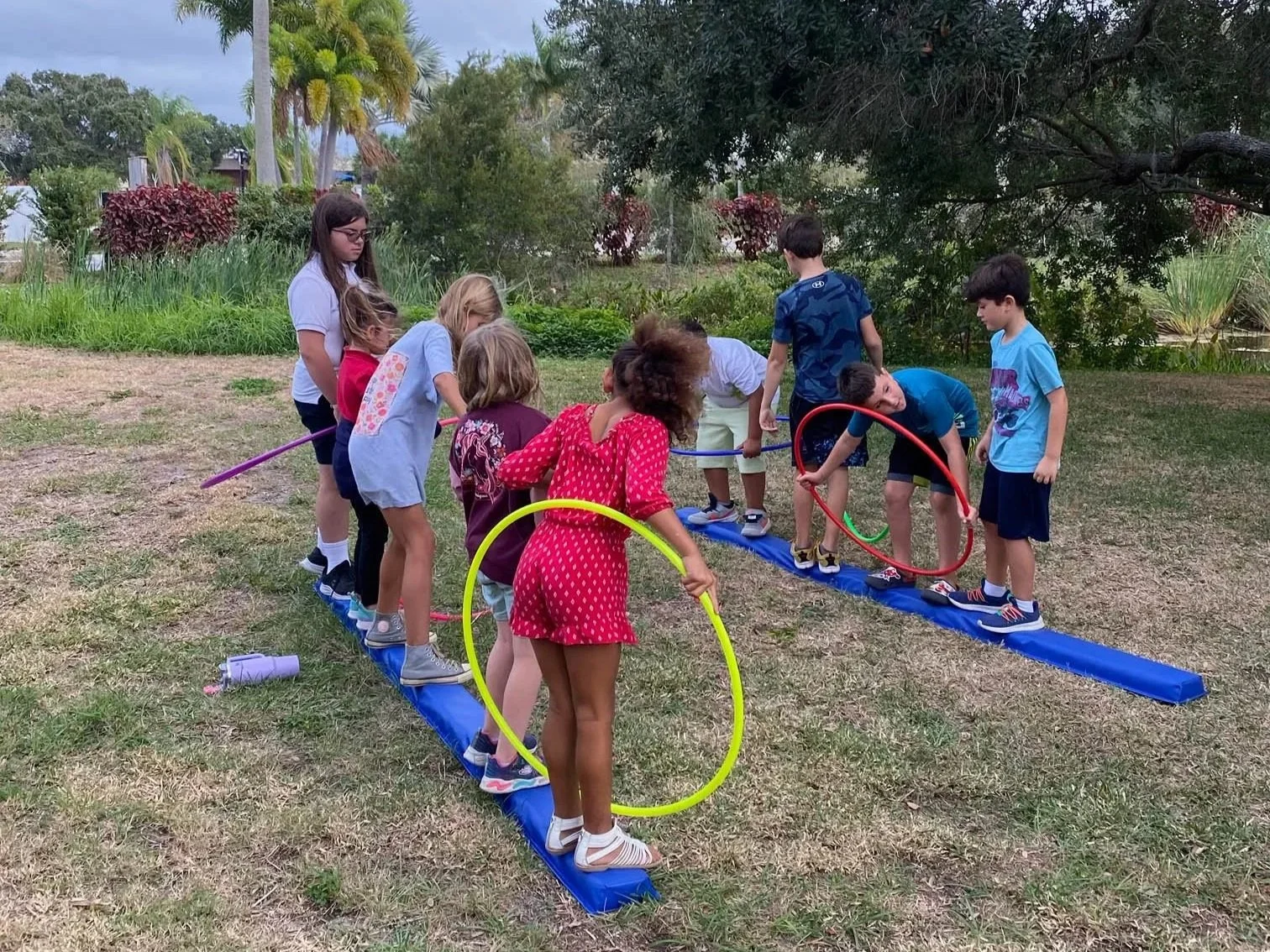
“We don’t just teach the skill. We create opportunities to use it”
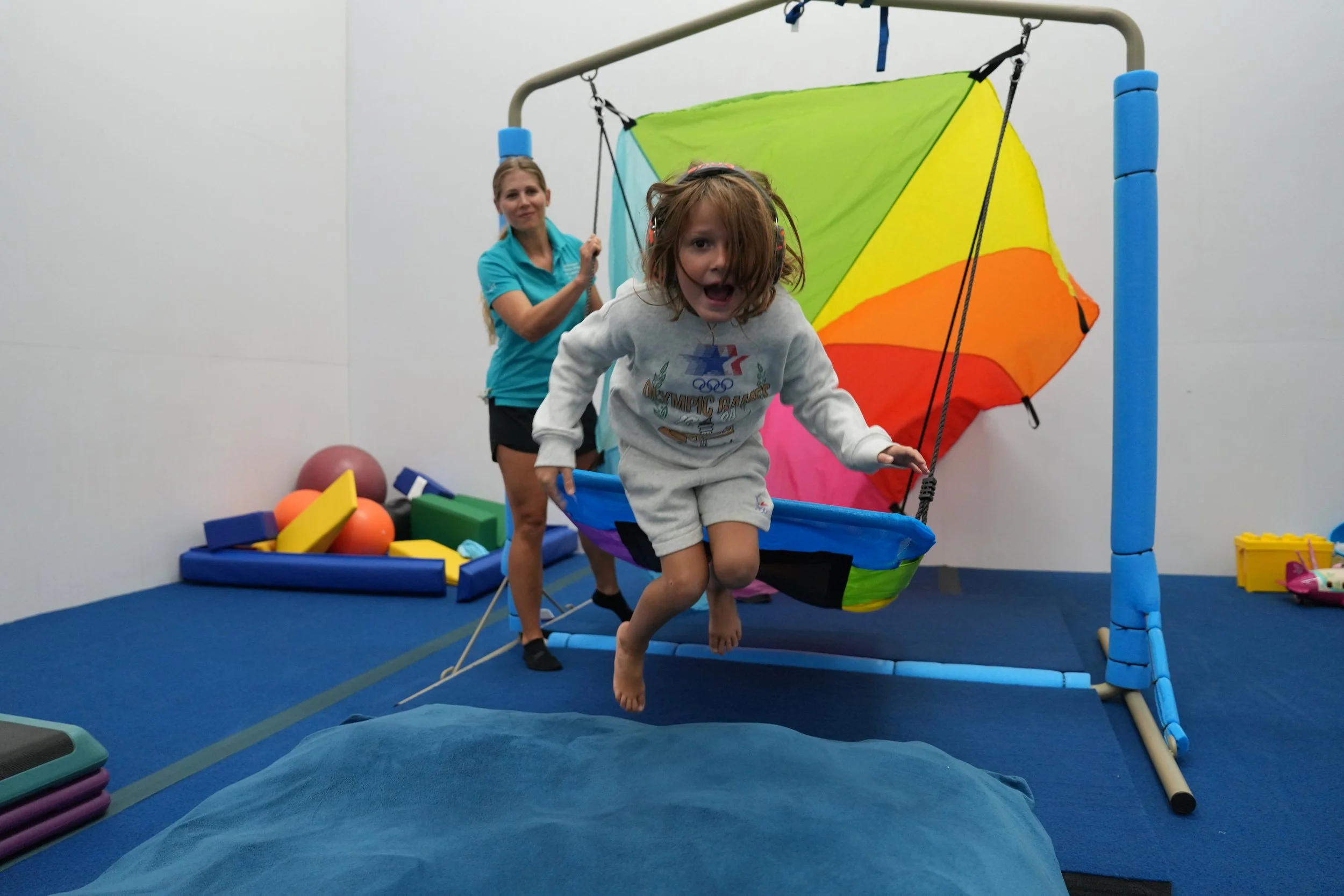
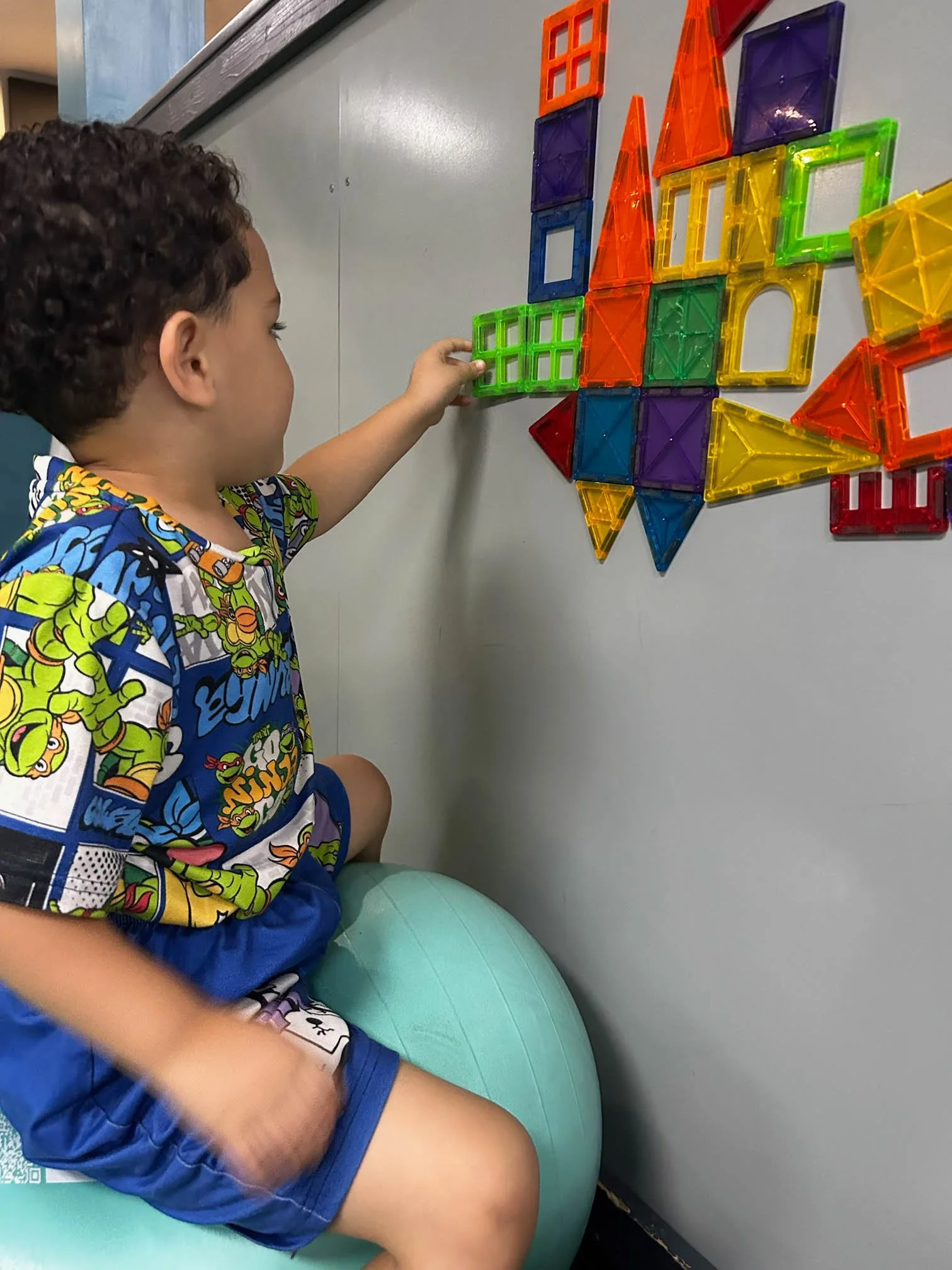
Sensory Gym
Regulation • Strength • Body awareness • Coordination • Motor planning
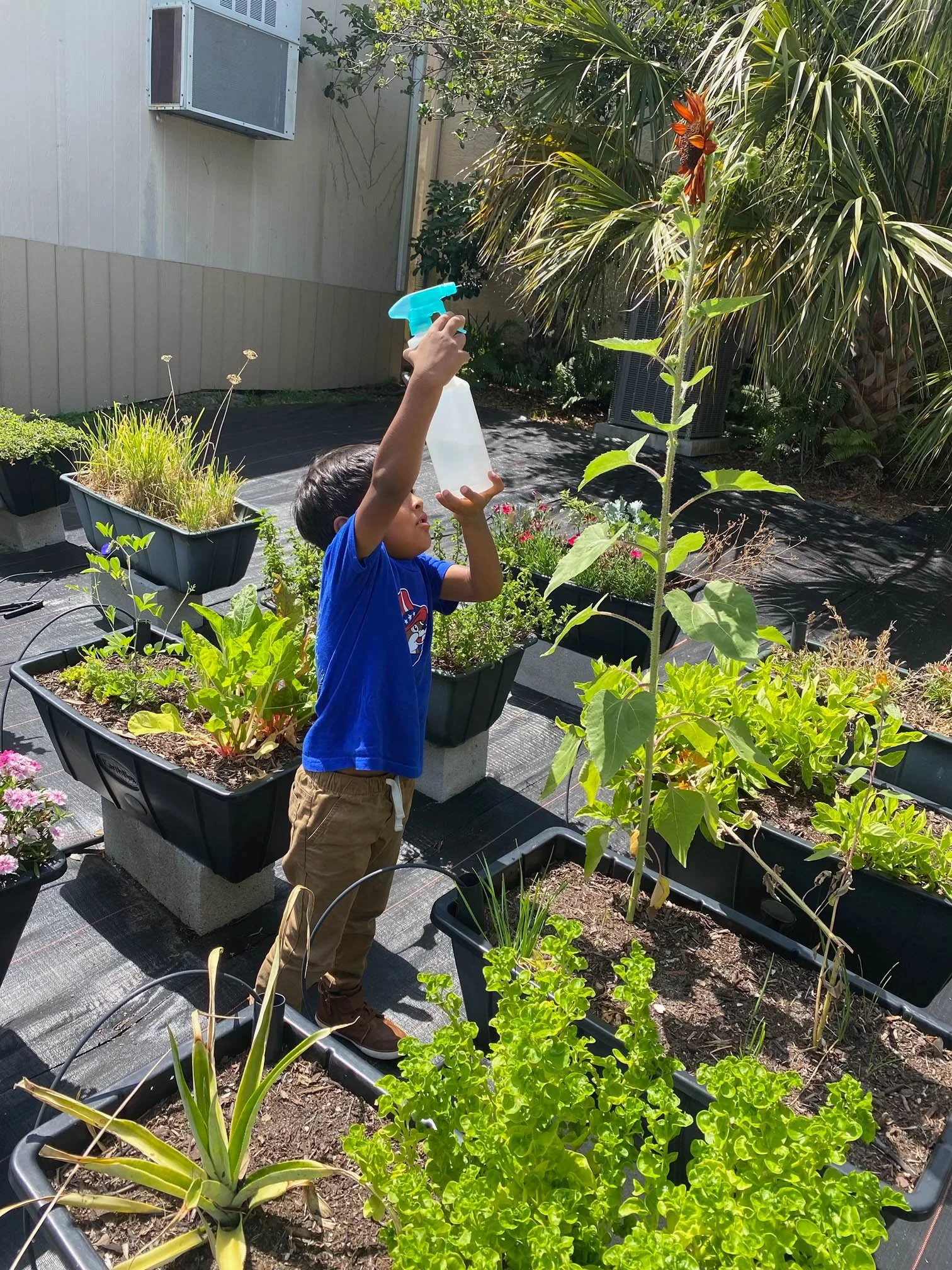
Gardens
Sensory exploration • Fine motor skills • Feeding experiences • Life skills
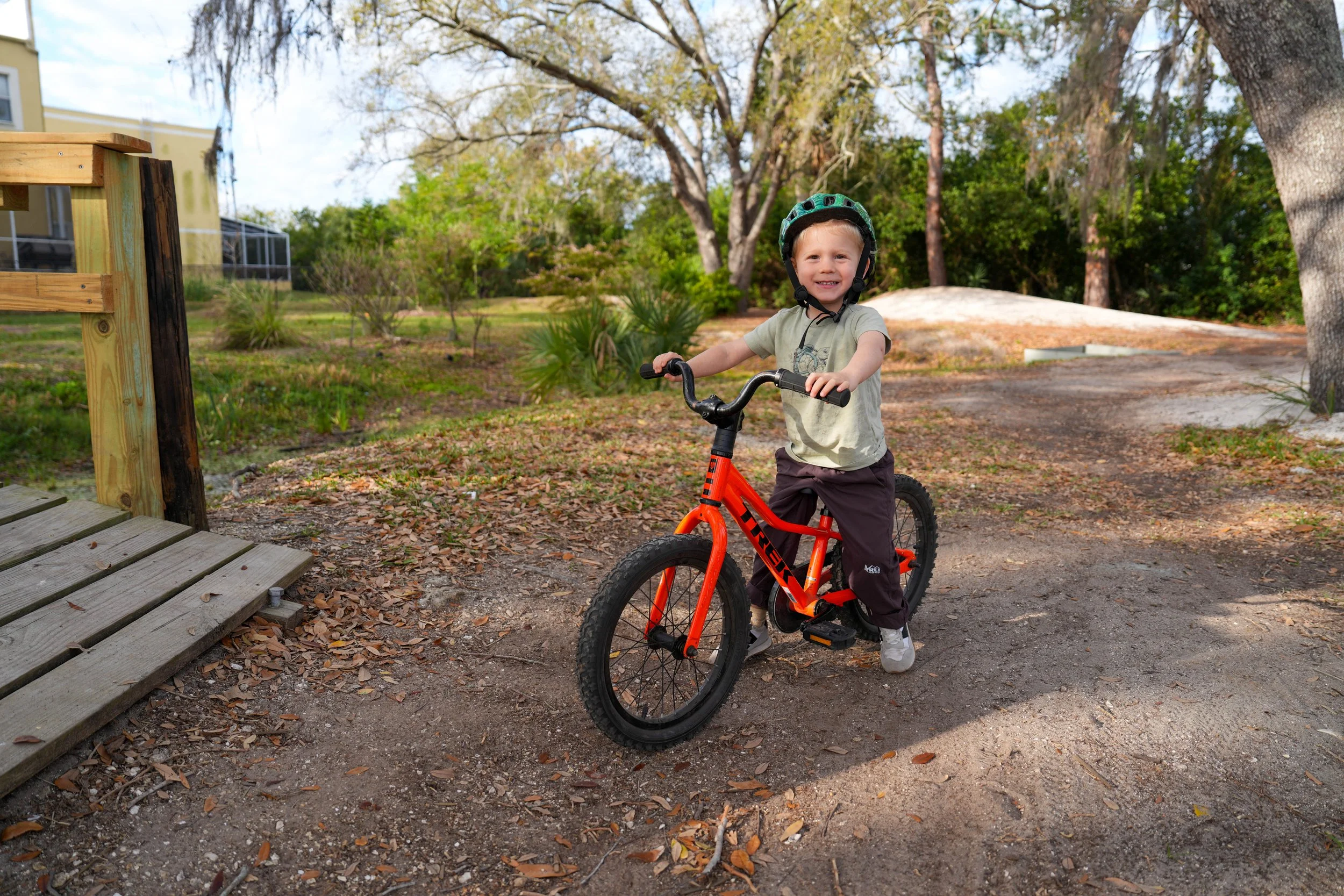
Bike Track
Balance • Bilateral coordination • Motor planning • Independence
Occupational Therapy for Real Life
A Therapy Room Is Useful. Real Life Is Bigger.
Children need more than the ability to demonstrate a skill while sitting across from their therapist.
They need to be able to use that skill when it matters.
At Apollo Beach Therapy Center, our therapists can use environments throughout our campus to create meaningful opportunities for children to develop and practice functional skills.
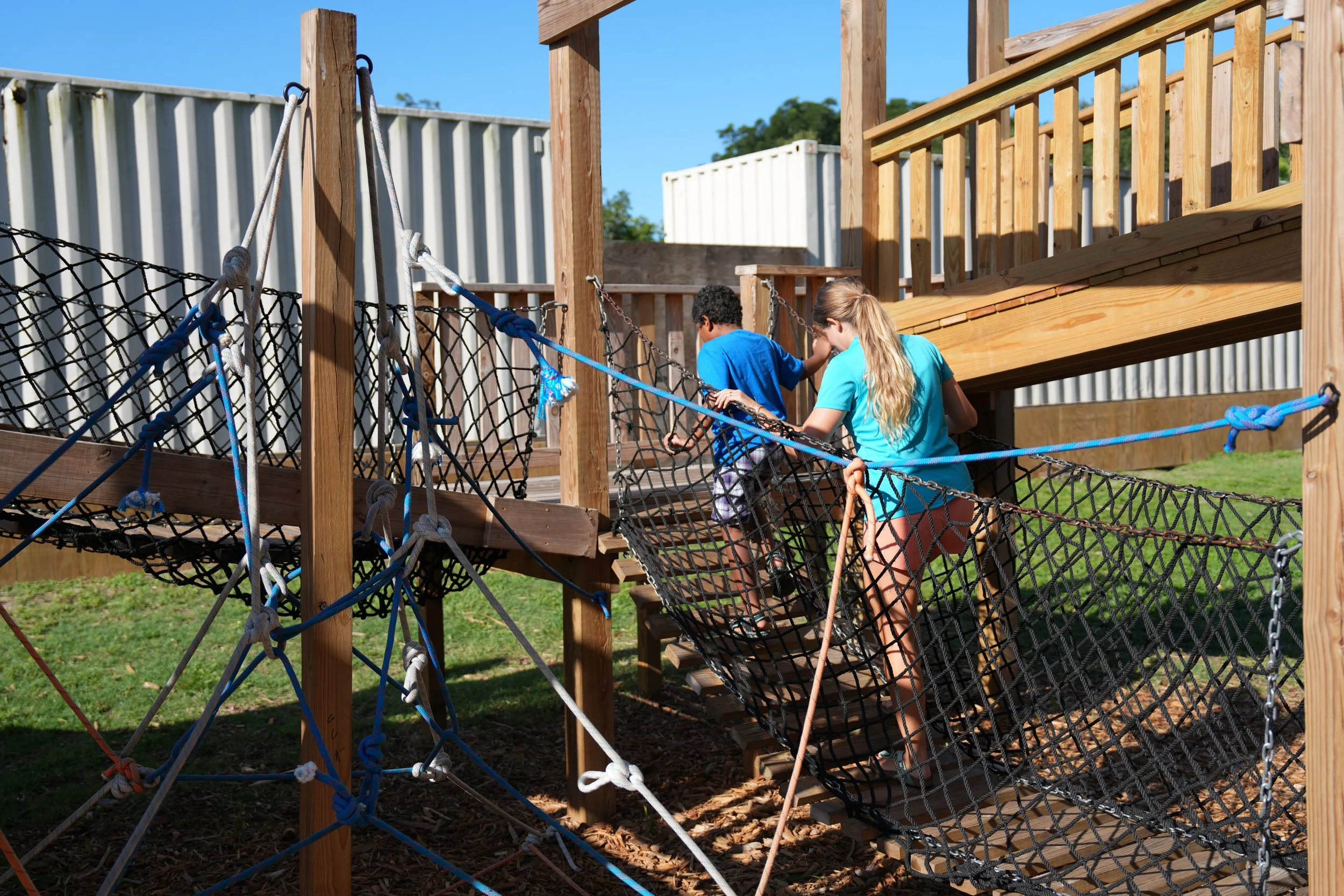
Playground & Outdoor Spaces
Gross motor skills • Social participation • Confidence • Problem solving
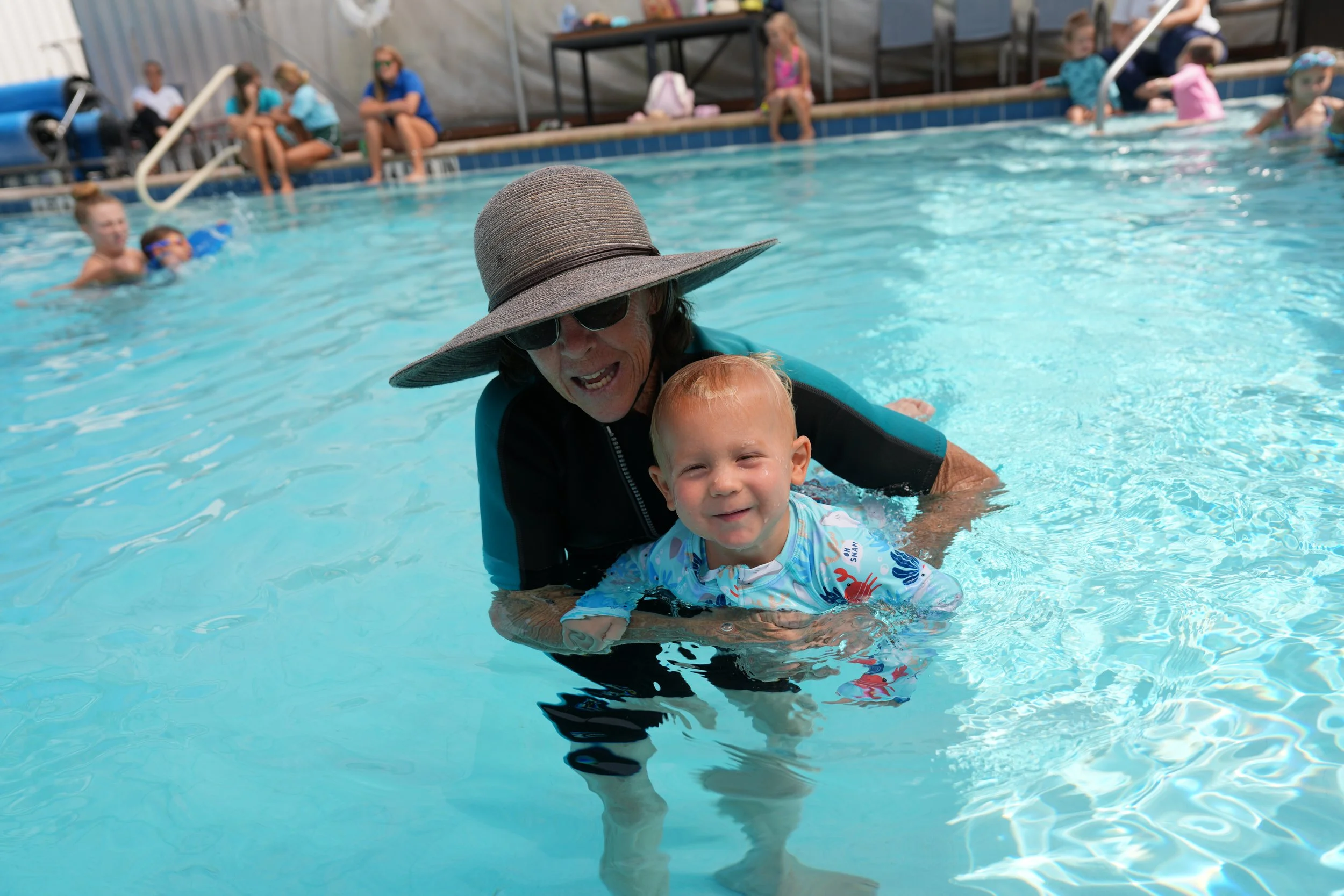
Pool
Aquatic therapy • Strength • Coordination • Regulation • Motor planning
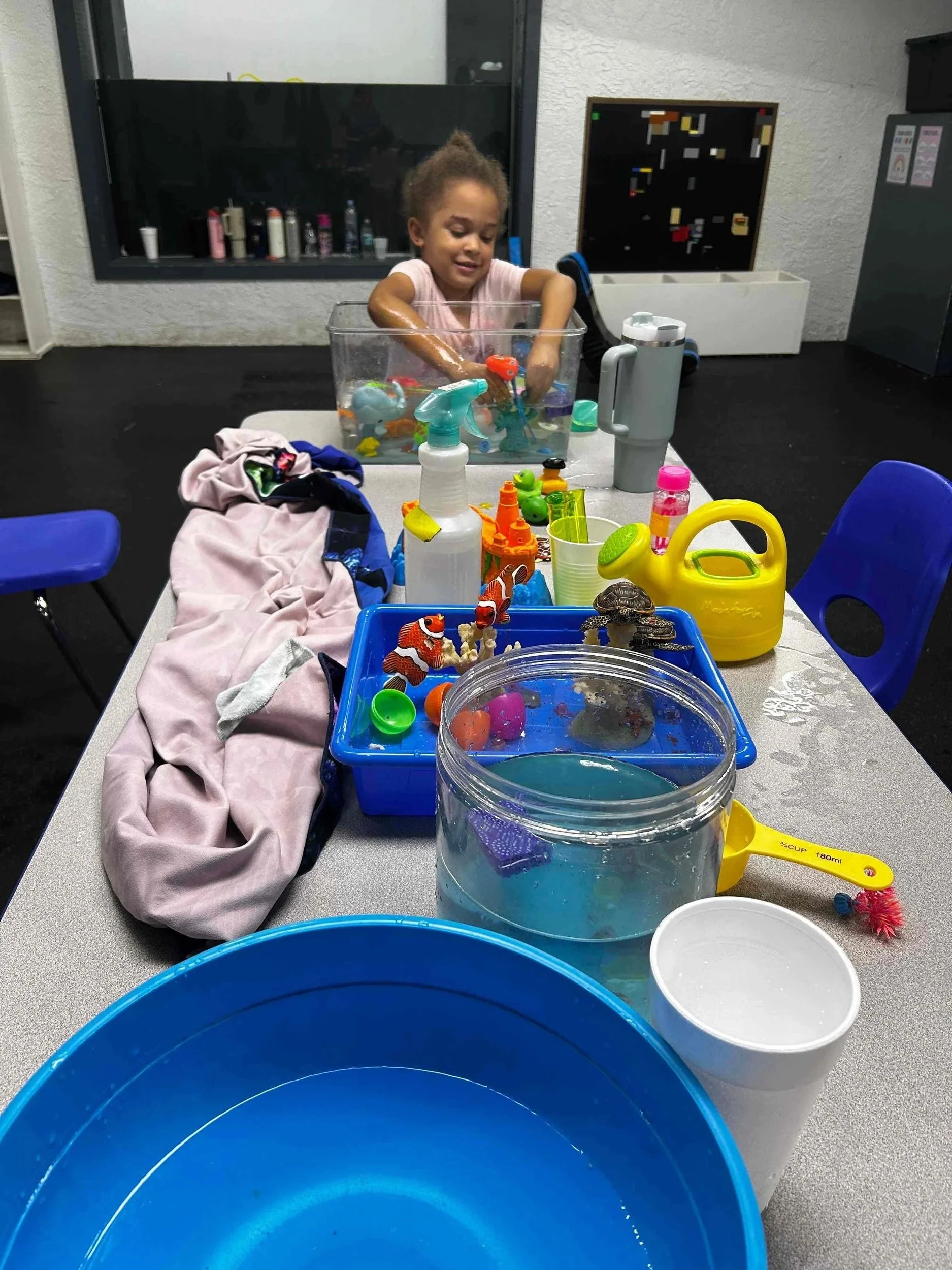
Tabletop & Clinical Spaces
Handwriting • Fine motor • Visual-motor skills • Feeding • Executive functioning
Sensory Processing & Regulation
Helping Children Understand and Respond to Their World
Our sensory systems constantly provide information about our bodies and our environment.
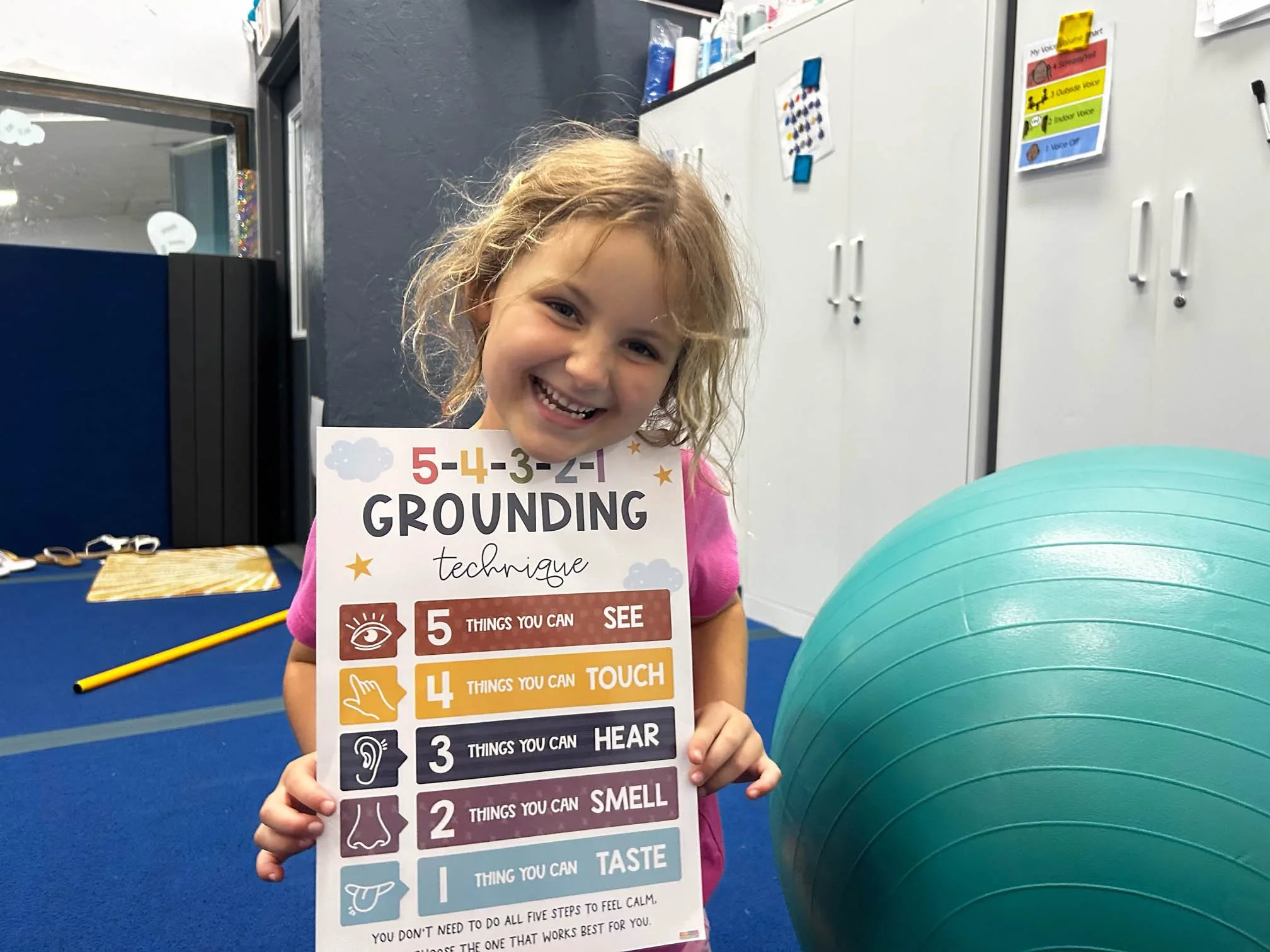
For some children, processing that information can be challenging. A child may become overwhelmed by certain sensations, seek large amounts of movement or pressure, avoid particular experiences, or have difficulty maintaining the level of regulation needed to participate in everyday activities.
Occupational therapy looks beyond the behavior itself to understand the demands being placed on the child and the skills needed for successful participation.
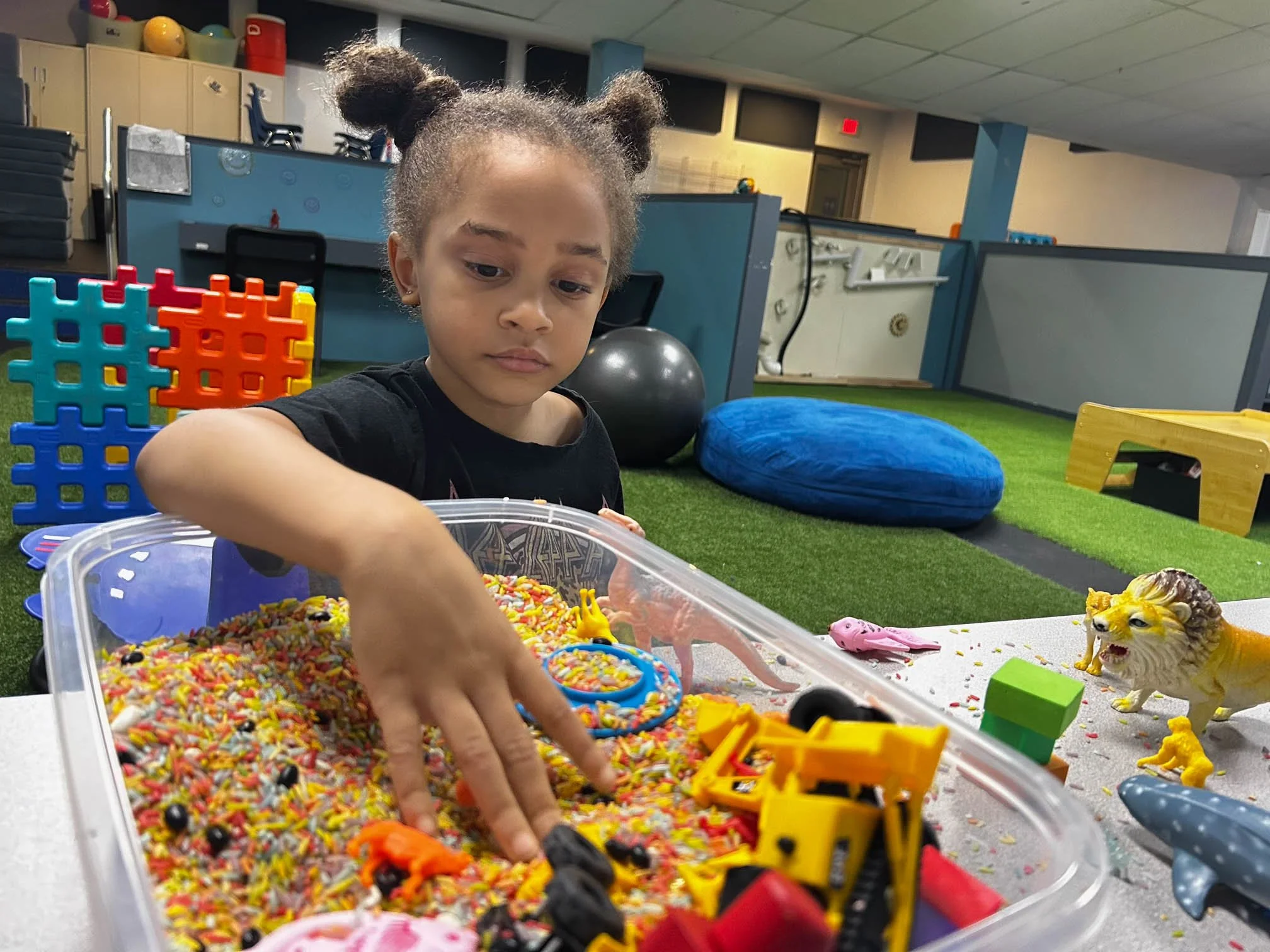
Depending on your child's individual needs, therapy may incorporate movement, proprioceptive input, vestibular activities, tactile experiences, environmental modifications, visual supports, and regulation strategies.
The goal isn't simply to help a child tolerate an activity during therapy.
The goal is greater participation in everyday life.
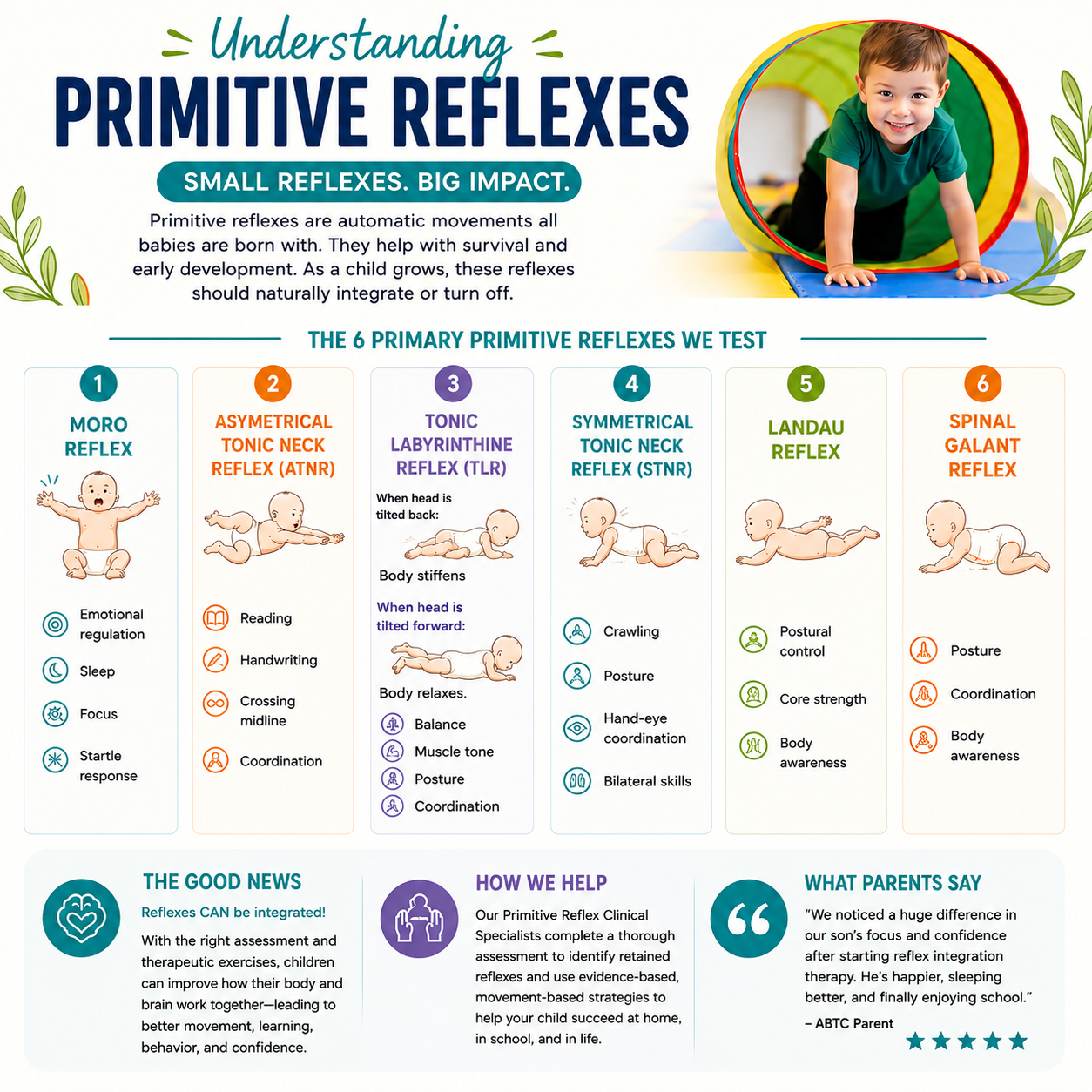
Primitive Reflex Assessment
Looking at the Foundations of Movement
Primitive reflexes are automatic movement patterns present during early development. As the nervous system develops, these reflexes typically become integrated as more mature movement patterns emerge.
When clinically appropriate, primitive reflex testing may be included as one component of a broader occupational therapy assessment to better understand factors that may be contributing to a child's functional challenges.
Apollo Beach Therapy Center has two Primitive Reflex Clinical Specialists with advanced training in primitive reflex assessment.
Primitive reflex findings are considered alongside the child's motor skills, coordination, posture, sensory processing, functional performance, and individual goals.
Building Independence One Skill at a Time
Occupational therapy is ultimately about participation.
For one child, success may mean independently fastening a button.
For another, it may mean writing a paragraph without hand fatigue.
It might mean riding a bike, trying a new food, participating on the playground, transitioning between activities, completing a morning routine, or learning a strategy to regulate when overwhelmed.
Goals should matter outside of therapy.
That's why treatment at Apollo Beach Therapy Center is individualized around the activities that are meaningful to your child and family.
Parents Are Part of the Therapy Team
Meaningful progress doesn't happen in the therapy room alone.
At Apollo Beach Therapy Center, parents and caregivers are an important part of the therapy process. We work together to create consistency between therapy and everyday life so the same language, strategies, exercises, and routines used during treatment can carry over at home.
Every one-hour therapy session includes approximately 10 minutes designated for parent education and collaboration.
Your therapist may use this time to review progress, demonstrate activities, discuss strategies, or explain ways to practice a skill within your child's routine.
Can't be there in person? When appropriate, we share session notes, photos, and videos to help families understand what we're working on and provide practical tools for carryover.
Therapy is one hour. Progress happens all week.
What Happens During an Occupational Therapy Evaluation?
1. Tell Us What You're Seeing
Before and during the evaluation, we'll learn about your child's strengths, daily routines, challenges, developmental and medical history, and the concerns that brought you to therapy.
2. We Evaluate the Whole Child
Depending on your child's age and concerns, the occupational therapist may assess areas such as:
Fine motor skills
Visual-motor integration
Gross motor coordination
Sensory processing
Self-care skills
Handwriting
Strength and endurance
Motor planning
Attention and executive functioning
Functional participation
Primitive reflexes when clinically appropriate
Standardized assessments may also be used when appropriate.
3. We Develop Meaningful Goals
If occupational therapy is recommended, your therapist will work with you to establish functional goals based on your child's individual needs.
4. Therapy for Real Life Begins
Treatment may take place in traditional clinical spaces or incorporate our sensory gym, playgrounds, outdoor environments, gardens, bike track, or pool when those environments are appropriate for your child's goals.
Frequently Asked Questions
Does my child need a diagnosis to receive occupational therapy?
Not necessarily. Occupational therapy is based on your child's functional needs. An evaluation helps determine whether skilled OT services are appropriate.
How long are occupational therapy sessions?
Each session is one hour, including 10 minutes designated for parent education.
Can parents participate in therapy?
Yes. Parent education and collaboration are an important part of our treatment model. One-hour sessions include approximately 10 minutes designated for parent education.
Do you offer bilingual occupational therapy?
Yes. Bilingual occupational therapy services are available.
Do you provide aquatic occupational therapy?
Yes. Our on-site pool may be incorporated into occupational therapy when aquatic treatment is clinically appropriate for the child's goals.
Do you assess primitive reflexes?
Yes. Apollo Beach Therapy Center has two Primitive Reflex Clinical Specialists. Primitive reflex testing may be incorporated into a comprehensive occupational therapy assessment when clinically appropriate.
What happens after the evaluation?
Your therapist will review the findings with you and discuss recommendations. If therapy is appropriate, an individualized plan of care and treatment schedule will be developed based on your child's needs.
Ready to Get Started?
Let's Find Out What Your Child Needs to Thrive.
If you're concerned about your child's sensory processing, coordination, handwriting, motor skills, independence, regulation, or participation in everyday activities, an occupational therapy evaluation can help identify strengths, challenges, and the appropriate next steps.